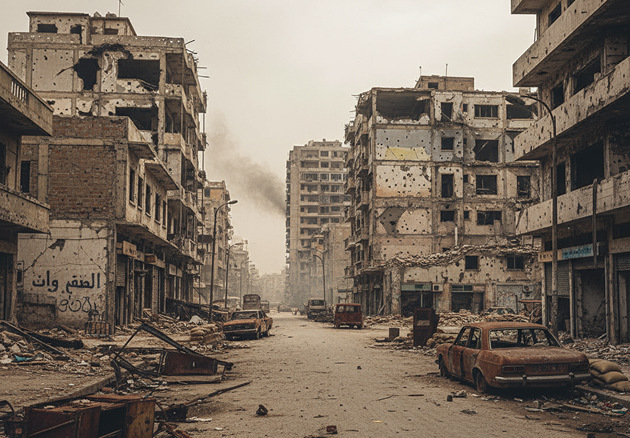



When violence erupted between competing Muslim sects in the North Lebanese city of Tripoli in 2012, bloody street battles were a stark reminder of the Lebanese civil war that claimed 150,0000 lives. As a response, in 2012 a group of ex-combatants from the Lebanese civil war saw the unfolding violence in Tripoli as a threat to the entire country and decided to come together, as former enemies, addressing an open letter to the new generation of fighters. This letter, urging the young people not to repeat the same mistakes they once had committed, marked the creation of the FFP organization. It also called on political leaders to opt for dialogue over confrontation.
Being ex-combatants from different political and sectarian backgrounds, they wanted to dedicate the rest of their lives to prevent hatred from spreading, extremist ideologies taking root in their minds and to prevent new conflicts in Lebanon and the region.
Being former enemies, it was not easy to overcome past-violent history and political differences, often born from ignorance,prejudice and hatred. They had to build trust between each other to form a confident relationship and become a team.
And while going through a personal process of transformation and forming bonds with the former "others", through this organization they created new friendships, as well as a new family, a new home and safe space for ex-combatants and former extremists who are willing to change.
FFP is aware that the current violence in the region will lead to more suffering, with the destruction of homes and collapse of community relations that will negatively impact Lebanon. Therefore, it is vital to take advantage of their traumatic experience to lend a hand and reach out to the countries around them, to support the fighters to turn away from violence and therefore overcome hatred, engage in peacebuilding and reconciliation processes.
Violent extremism isn't confined to the Arab region. Europe has seen a growth of terrorist attacks by Daesh (IS) and Right Wing groups. It is clear that responses to violence and extremism must not be confined to singular country approaches and that the solution lies in international cooperation where best practice can be exchanged. This includes valuing the experience of grassroots efforts, national government policies and international organizations agenda.
Fighters for Peace is a legally registered NGO since 2014.
To build sustainable peace across Lebanon by empowering ex-combatants as mentors and peacemakers, strengthening community reconciliation processes, promoting non-violent engagement among youth, and fostering cooperation with regional and international partners committed to preventing violent extremism.
A peaceful and united Lebanon where communities heal from past conflict, former combatants actively contribute to stability, and future generations choose dialogue and reconciliation over violence.

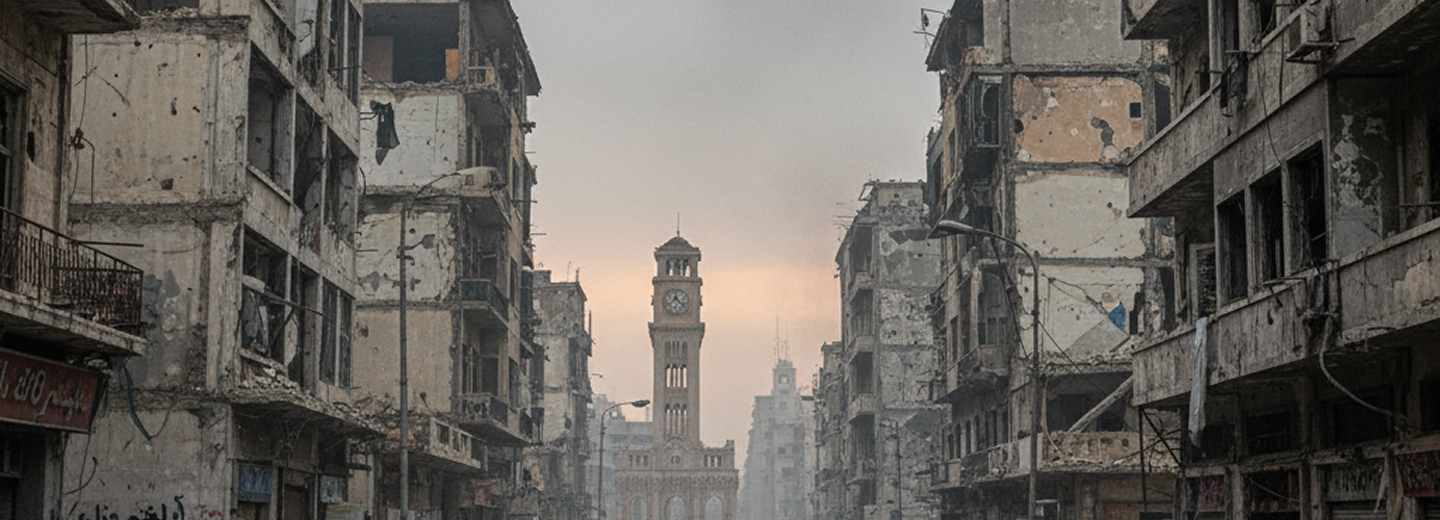
FFP's Theory of Change (TOC) focuses on the dual goals of prevention of violence in the first instance and reconciliation and rehabilitation in the aftermath of conflict. To accomplish these tasks FFP uses the authoritative personal experience and professional capacities of former combatants trained within the organization and other professionals. FFP then delivers programs to the identified beneficiaries as the local key change-makers.