Although the civil war ended in 1990, Lebanon remains divided due to the absence of national reconciliation and a persistent sectarian system. These tensions are most visible in communities with a history of conflict. Fighters for Peace works at the heart of these fractures—inside communities, across conflict lines, and through personal stories—to rebuild trust and prevent the past from repeating itself. Through grassroots reconciliation, insider mediation, peace rituals, outreach to victims, and national dialogue efforts, this program transforms lived experience into tools for healing and social cohesion. By engaging former fighters, communities, and youth, FFP helps create the foundations for a new social contract rooted in accountability and a shared vision for a peaceful future.
FFP’s members, many of whom come from polarized communities, use their credibility as former fighters and their training as insider mediators to bridge divides. A notable example is Tripoli in 2016, where FFP helped bring rival groups together through workshops, cultural activities, and public events, creating real connections across political and sectarian lines. This approach has since expanded to communities in Mount Lebanon, Beirut, and South Lebanon.
.JPG)
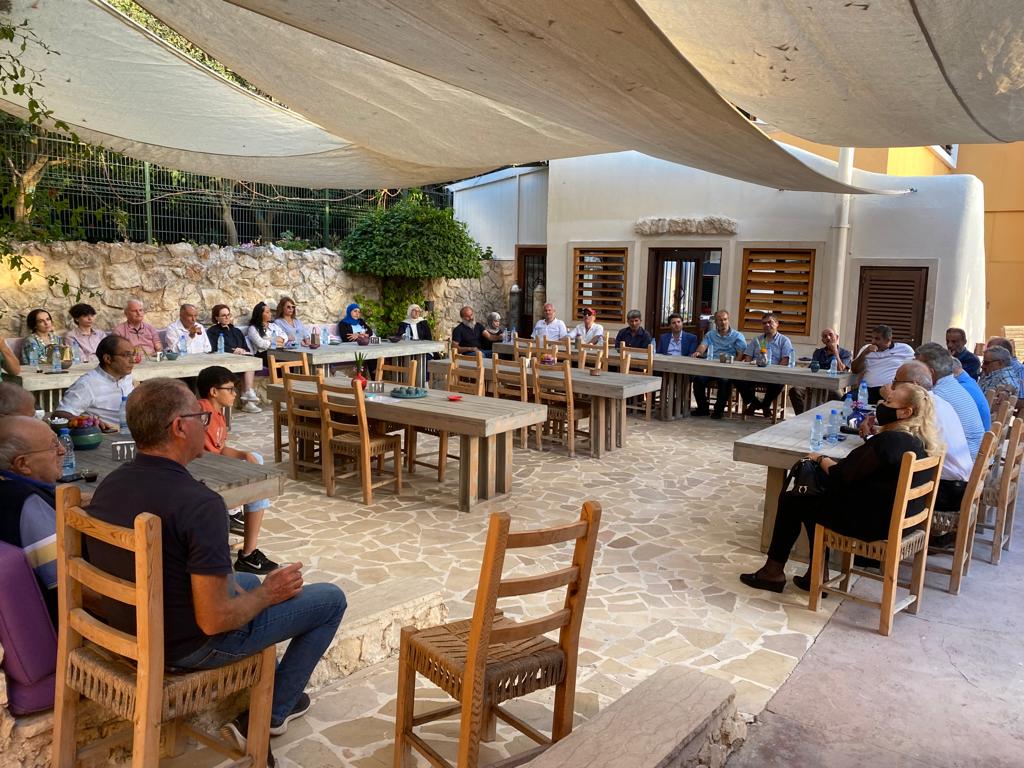
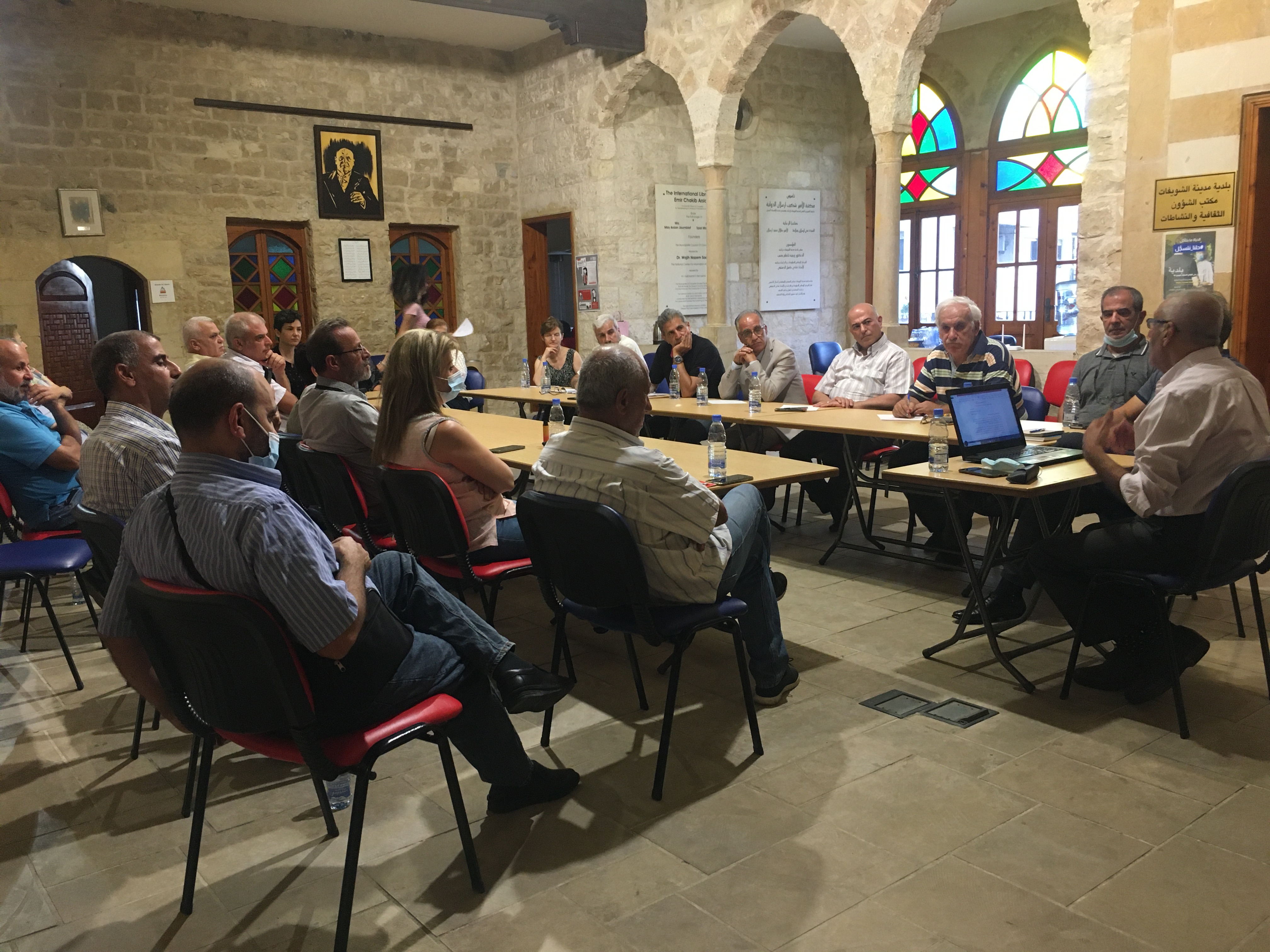
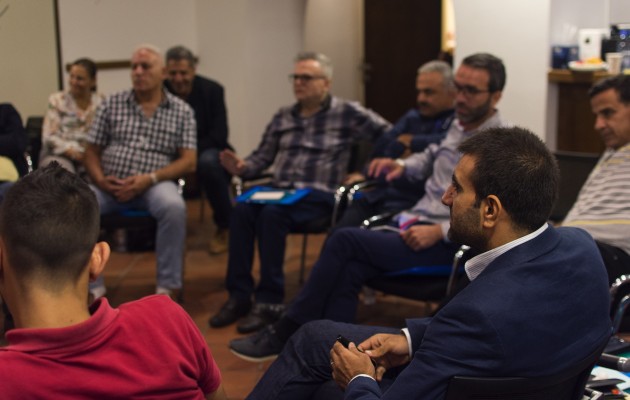
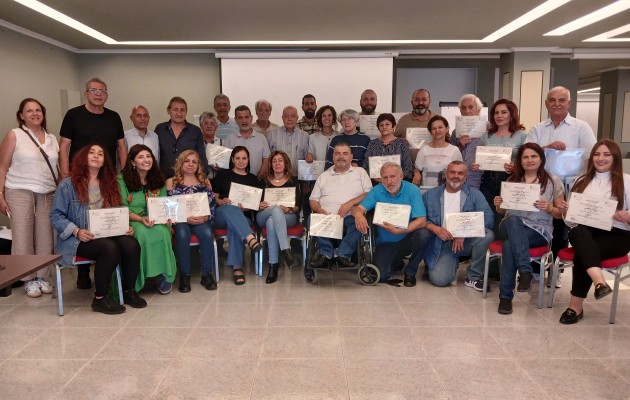
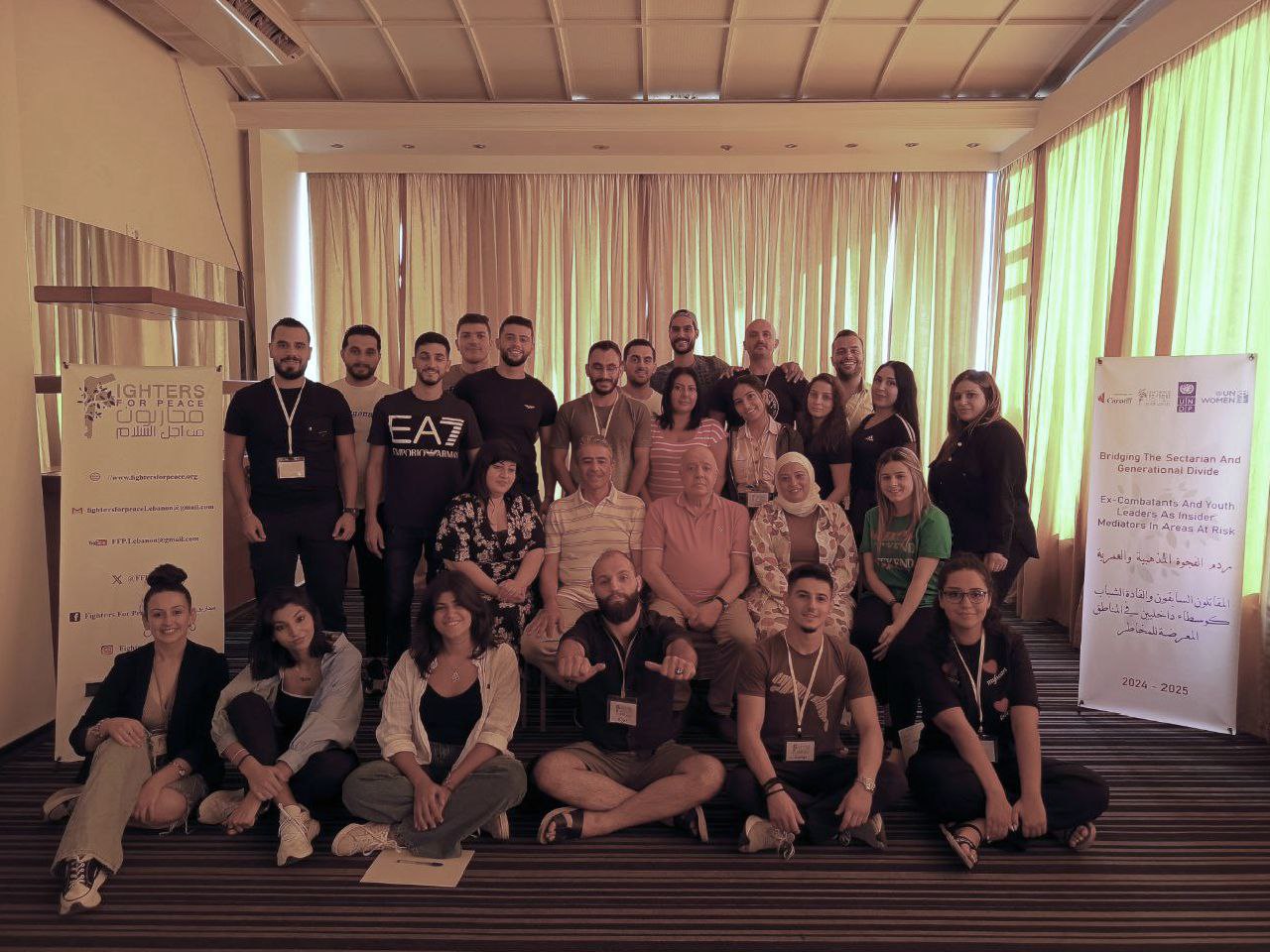
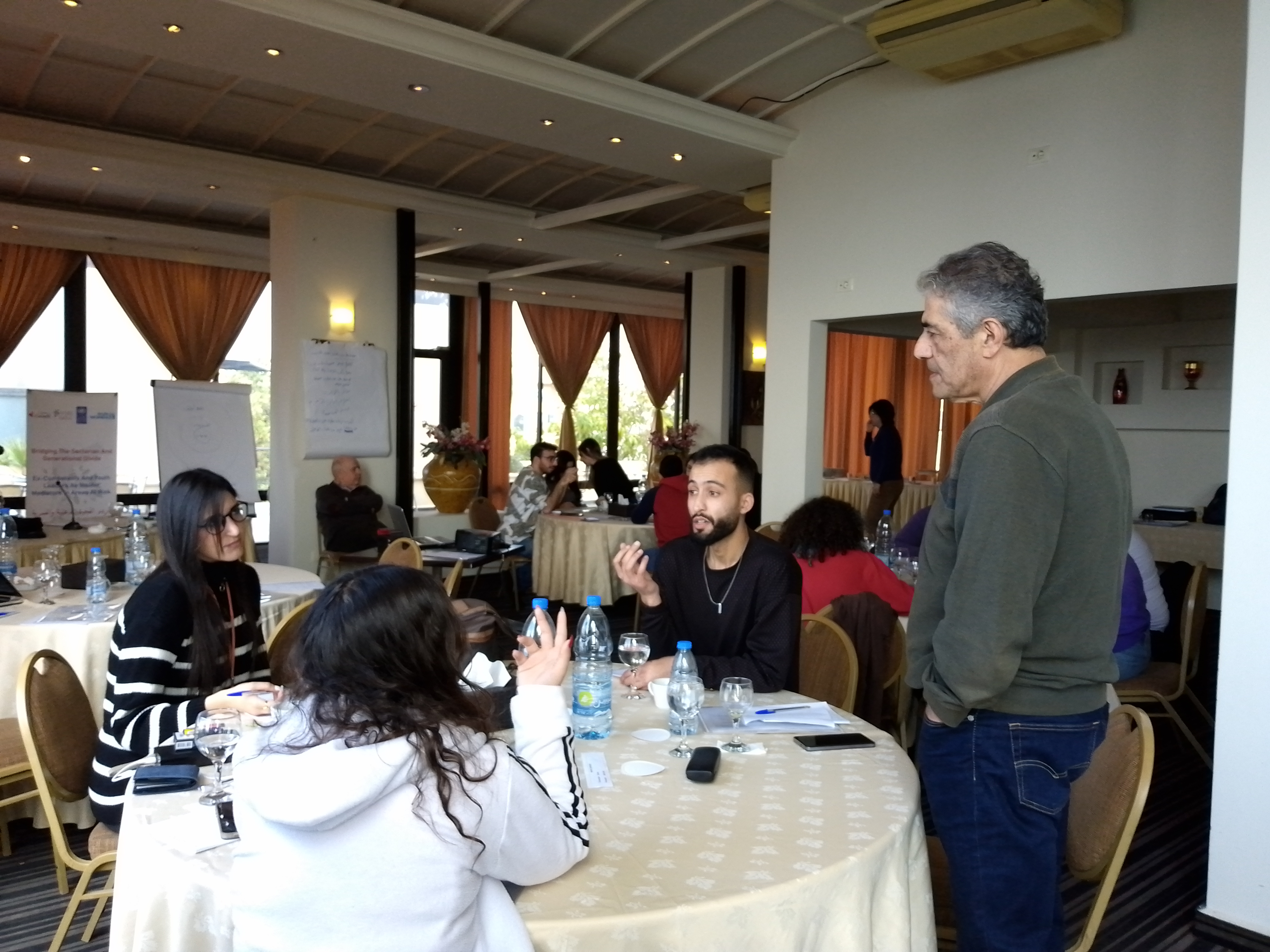
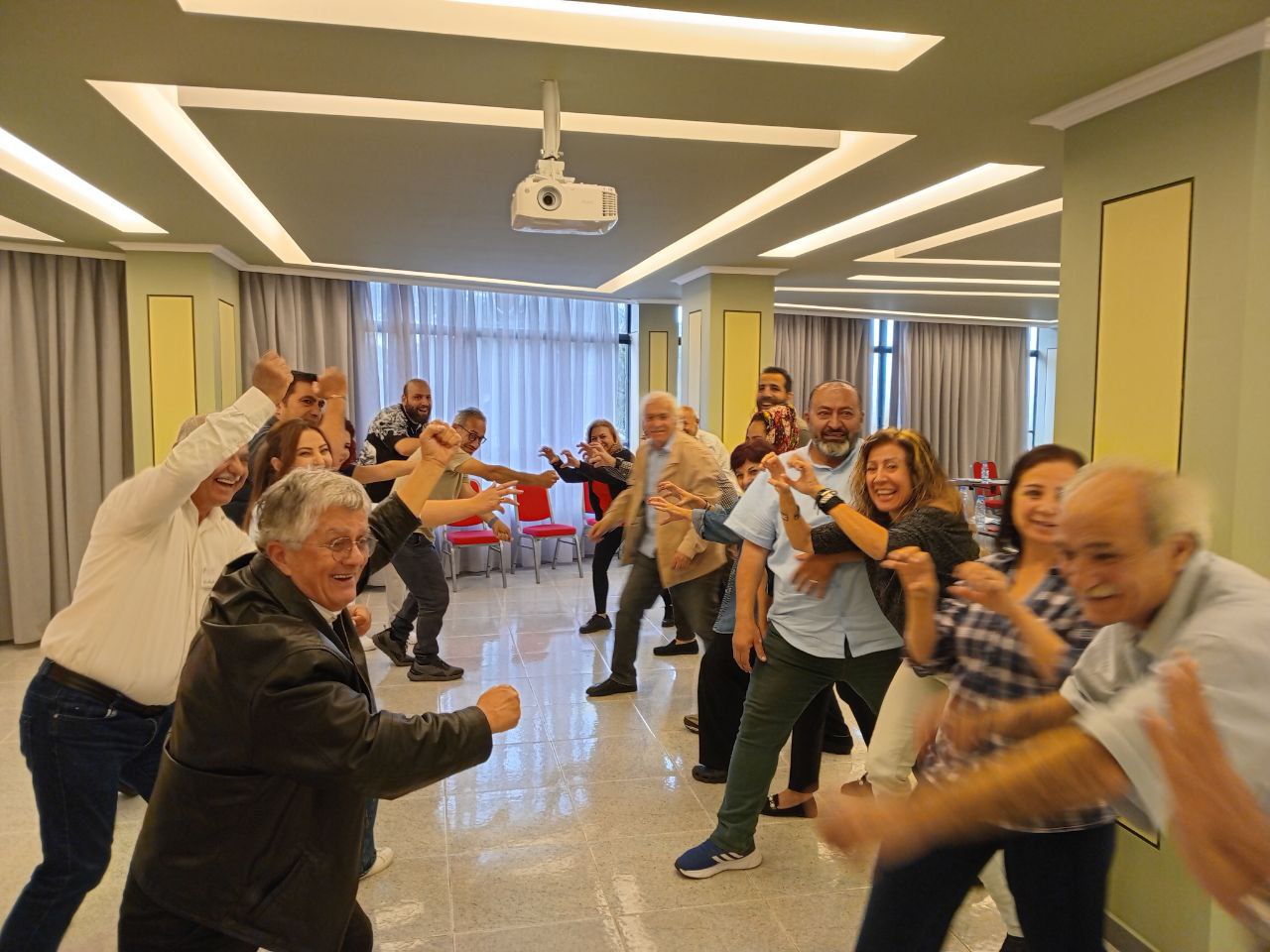
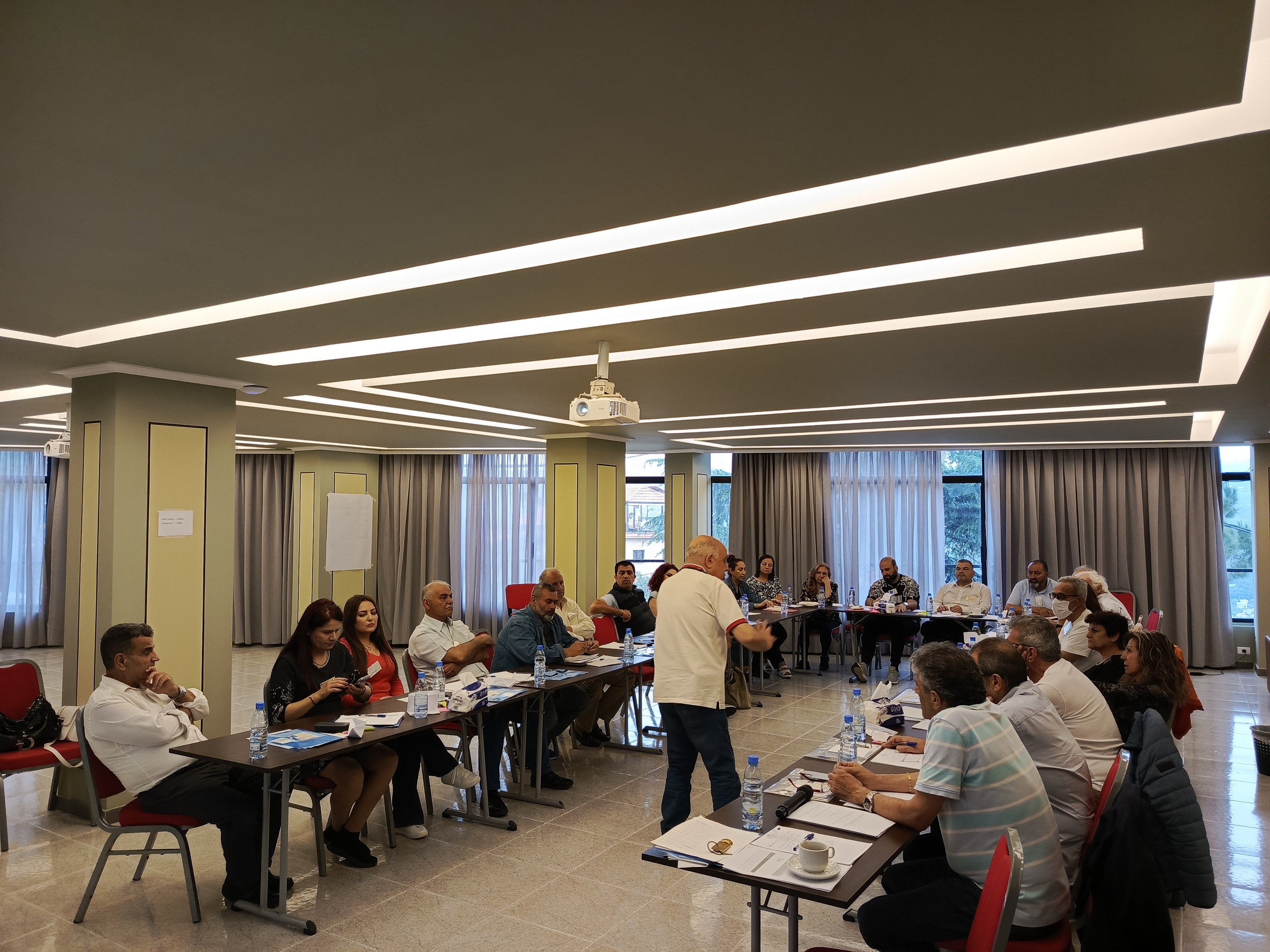
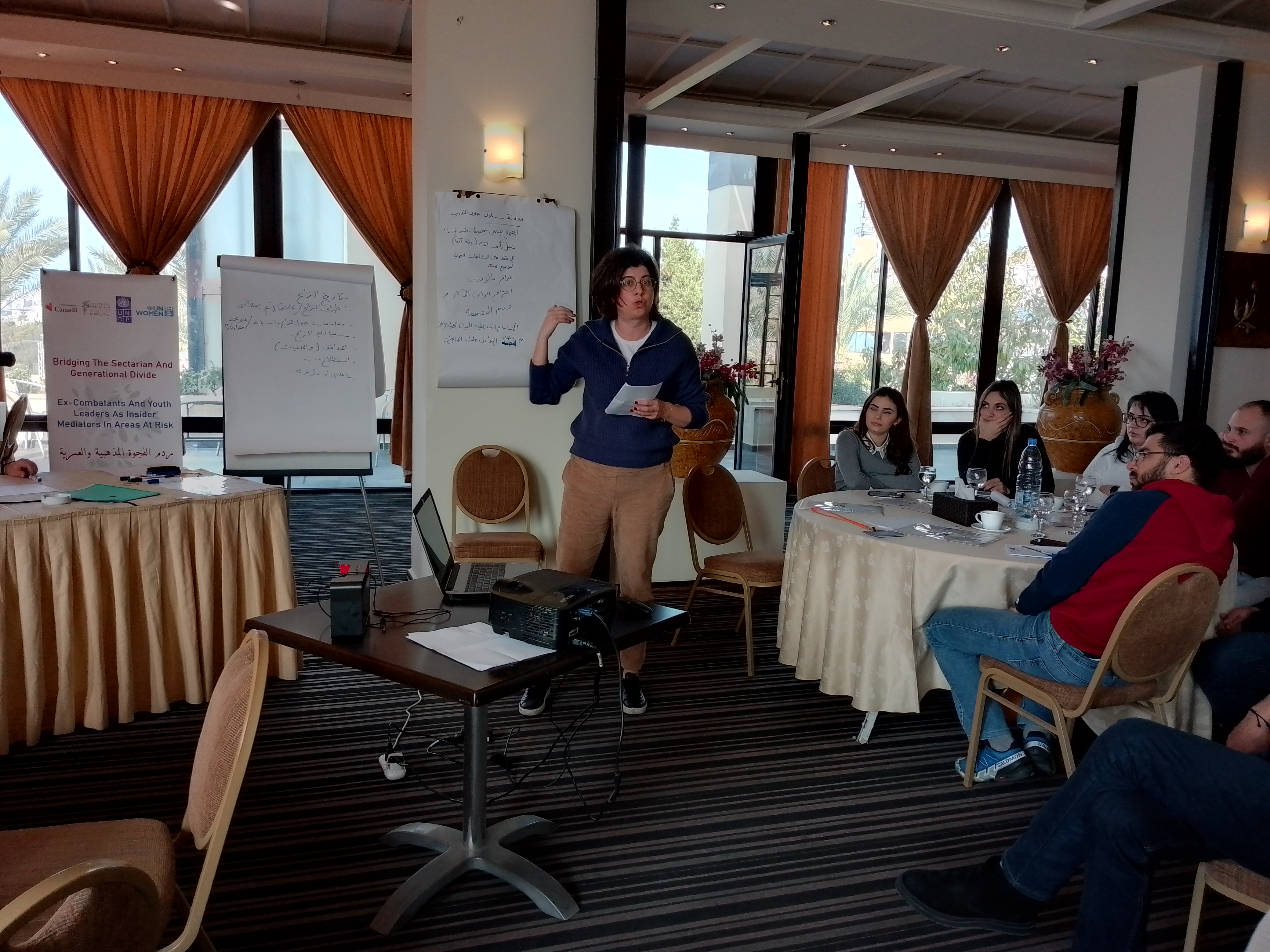
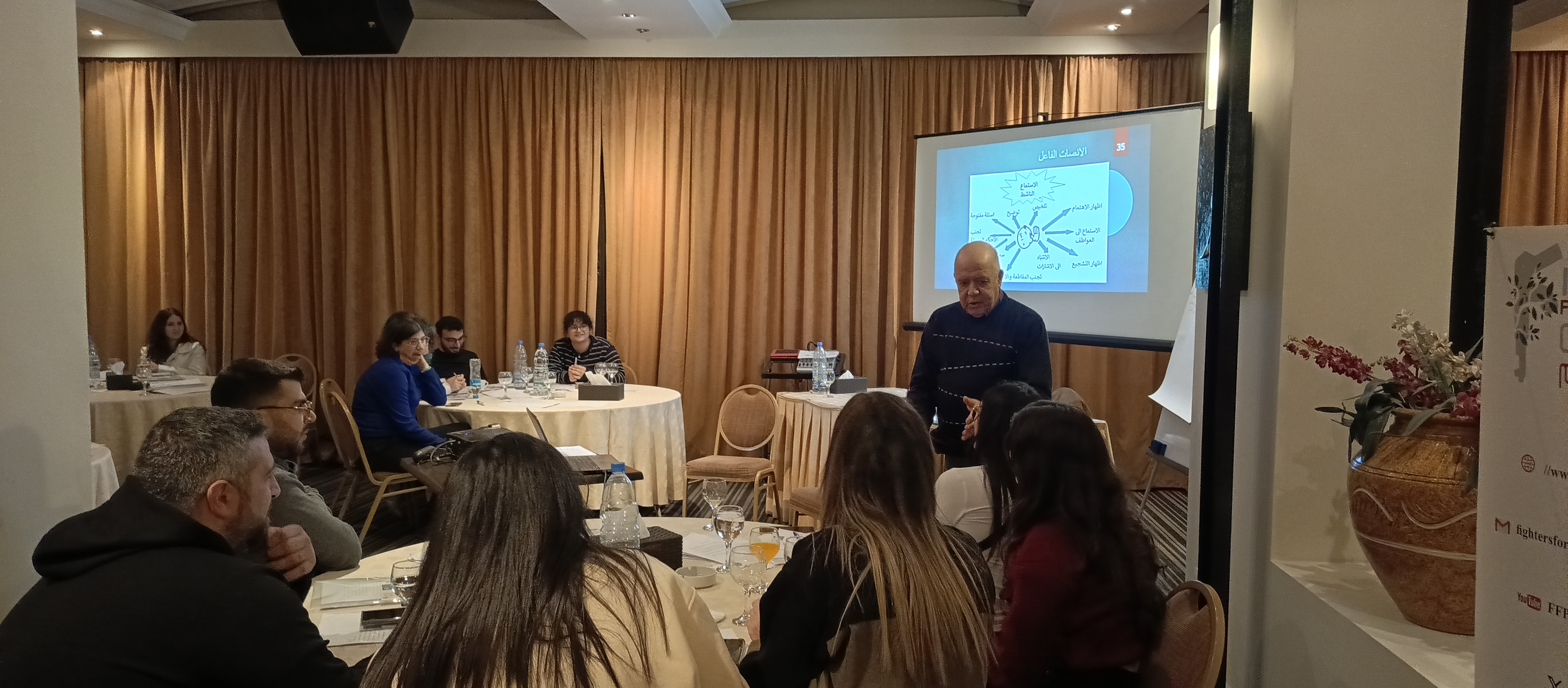
In the post-war years, Lebanon has witnessed many smaller, regionally limited conflicts and street fights. Due to this unstable situation, Fighters for Peace has focused its presence in areas that have a higher risk for polarization, division and conflict between different communities. FFP’s former combatants act as insider mediators, working closely with community members in the affected areas in order to foster social cohesion, dialogue and grassroot reconciliation. Some of the focus areas have been Northern Lebanon, Mount Lebanon, and Mtein.
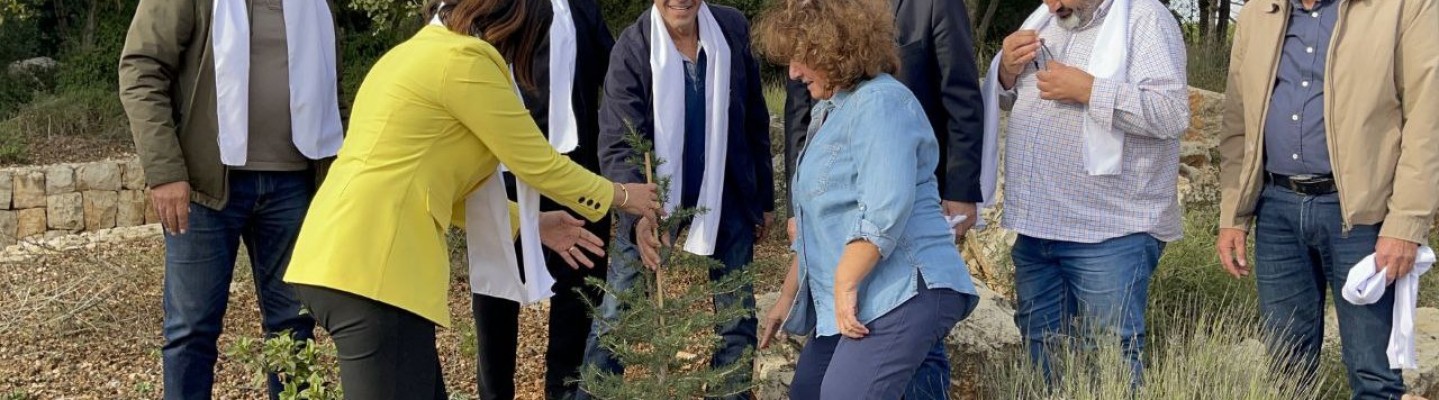
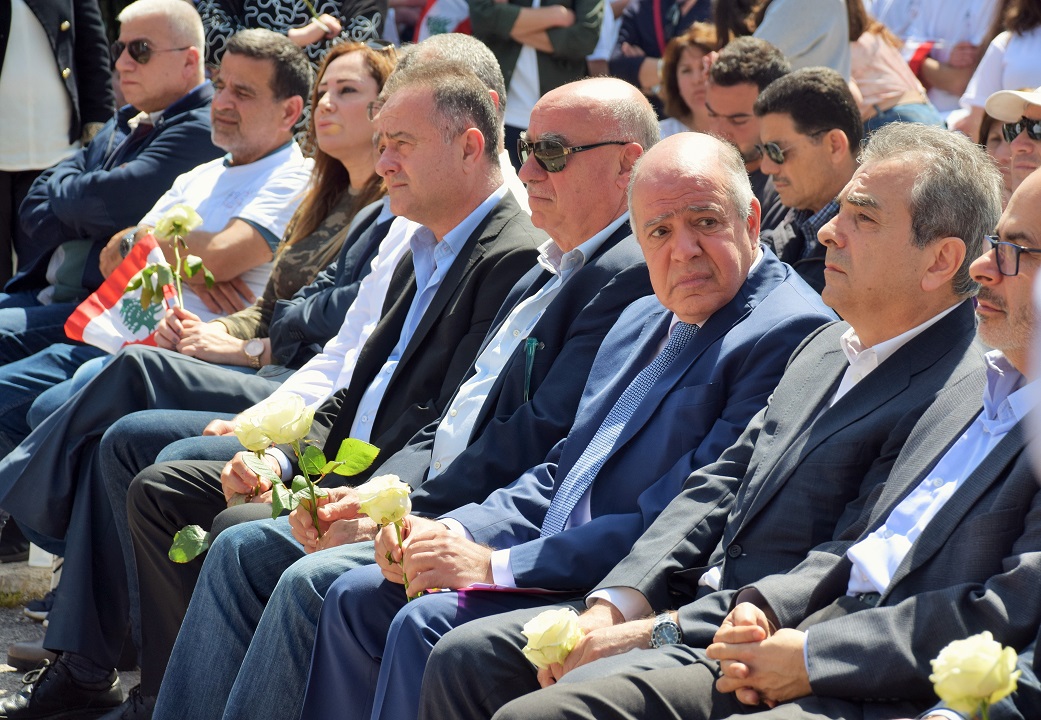
Fighters for Peace believes that remembering the past is essential to build a shared, peaceful future. FFP invites communities to confront memories of conflict and honor those affected, by planting seeds of trust and hope through guided peace rituals. Through these on-site rituals, Fighters for Peace turns memory into a bridge for dialogue and healing. By engaging with the landscapes, stories, and memories of the past, participants contribute to building a Lebanon where understanding, empathy, and cooperation replace divisive discourses.
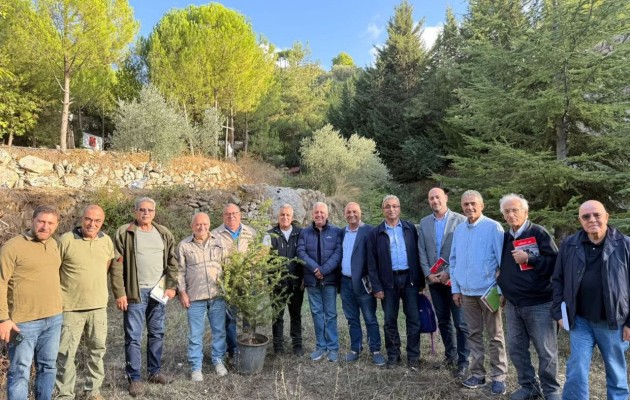
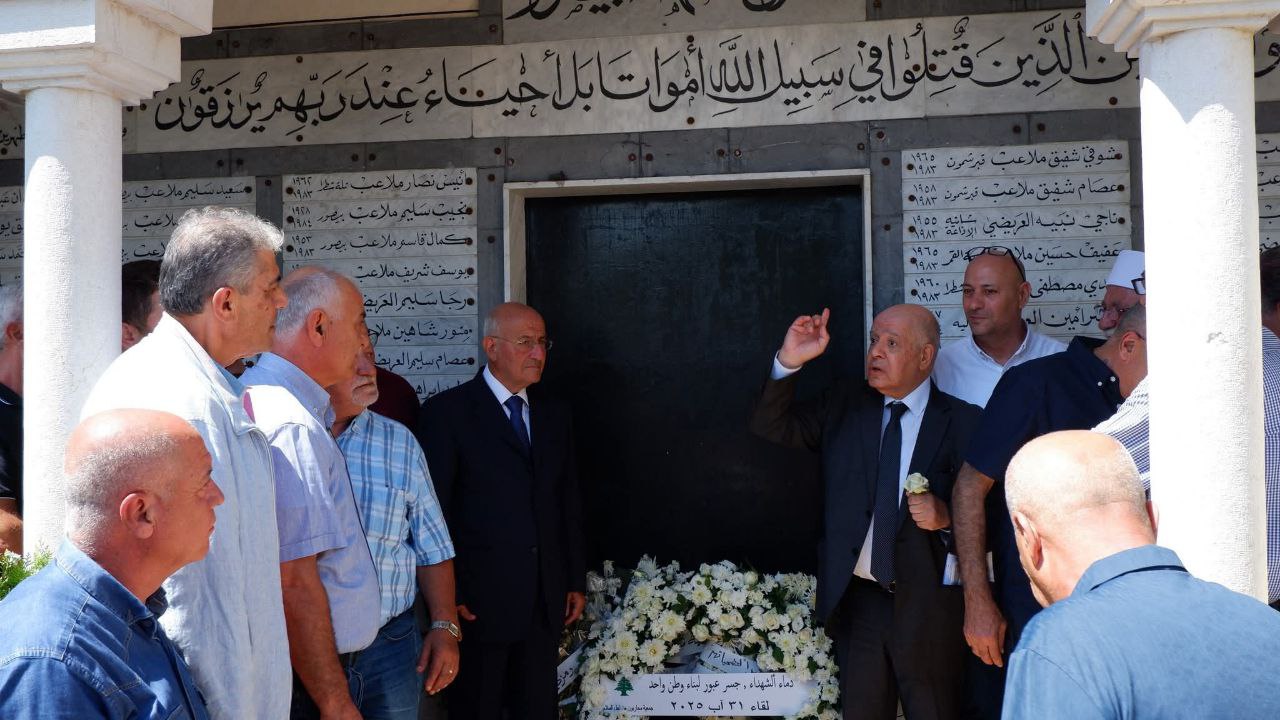
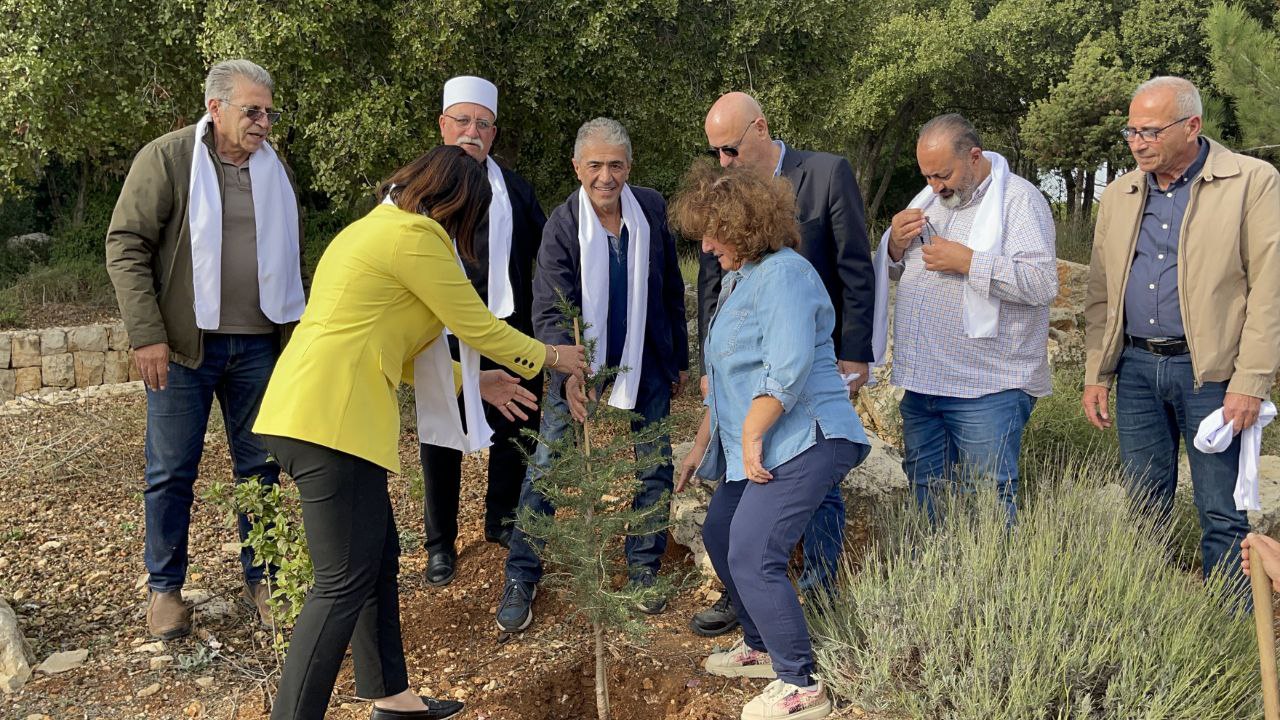
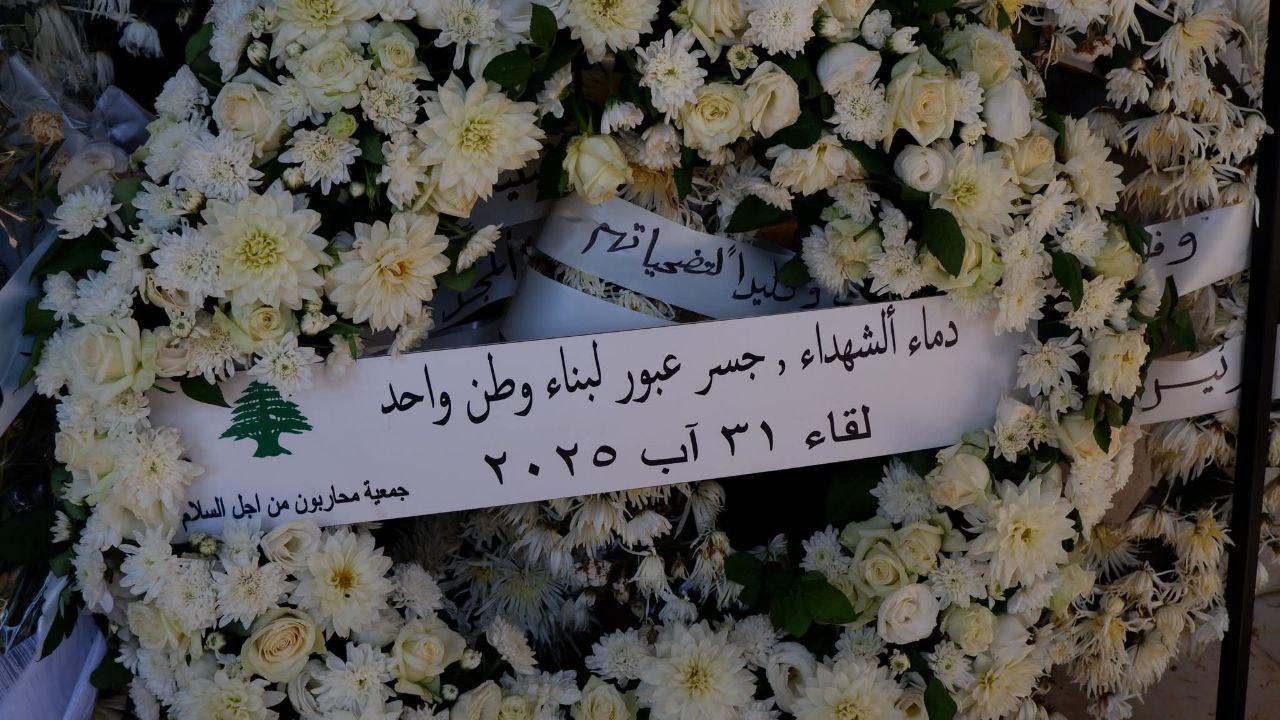
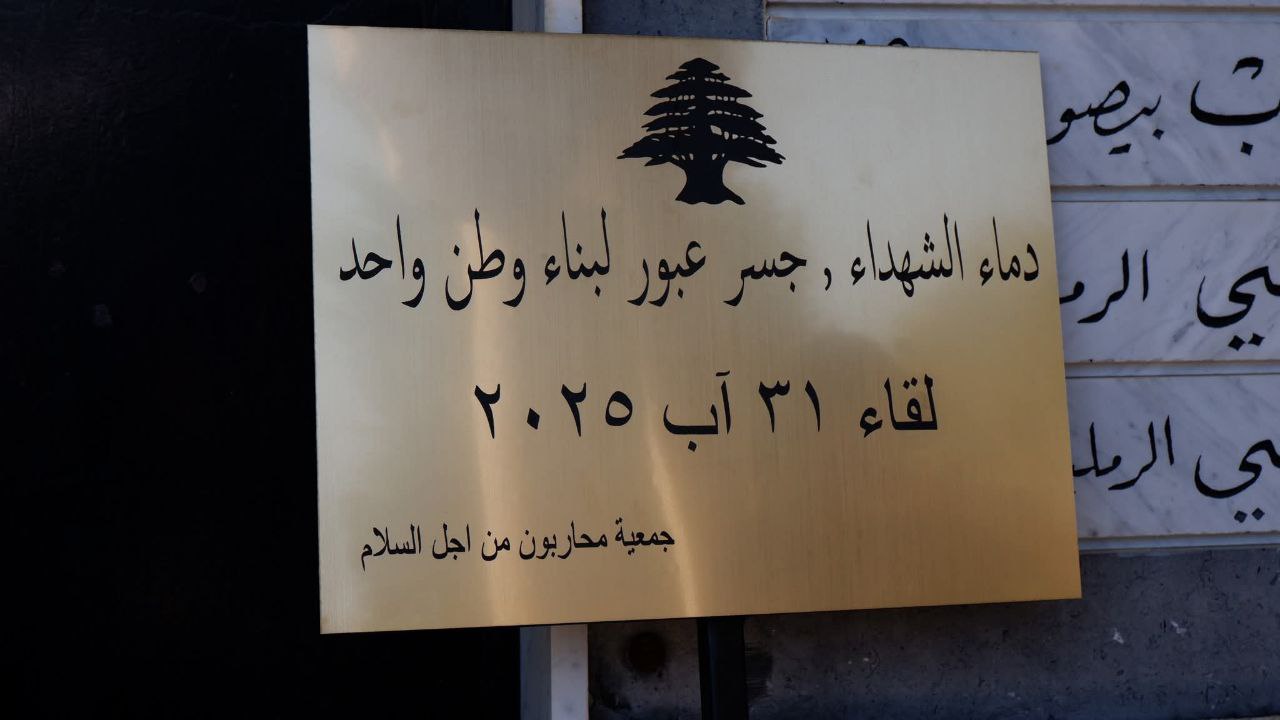
It was the conflict in Tripoli in 2012 that awakened the members of Fighters for Peace to the danger of the past repeating itself, and of conflict and violence starting all over again. Fighters for Peace returned to Tripoli in 2016 and became an integral part of an initiative titled ‘Roadmap to Reconciliation in Tripoli (RRT), tasked with the reach-out to the new generation of fighters from the conflicting neighborhoods, involving them in a process of mediation and peace building. The roadmap was supported by the international model ‘Forum for Cities in Transition’ (FCT). With the support of UNDP, Fighters for Peace was able to work with the warring parties, resulting in longstanding connections with them. Their testimonies shed light on the thoughts, feelings, and experiences of the people of Tripoli, from both sides of the conflict.
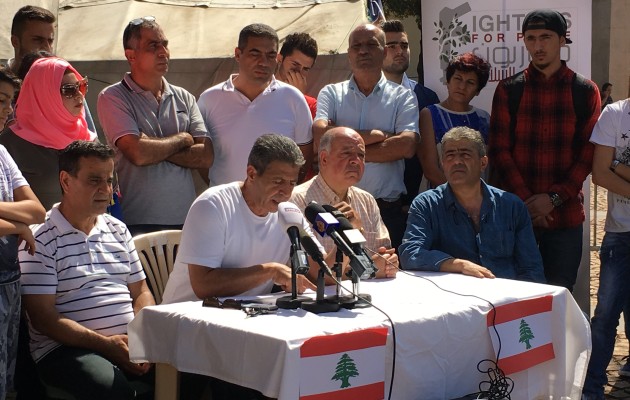
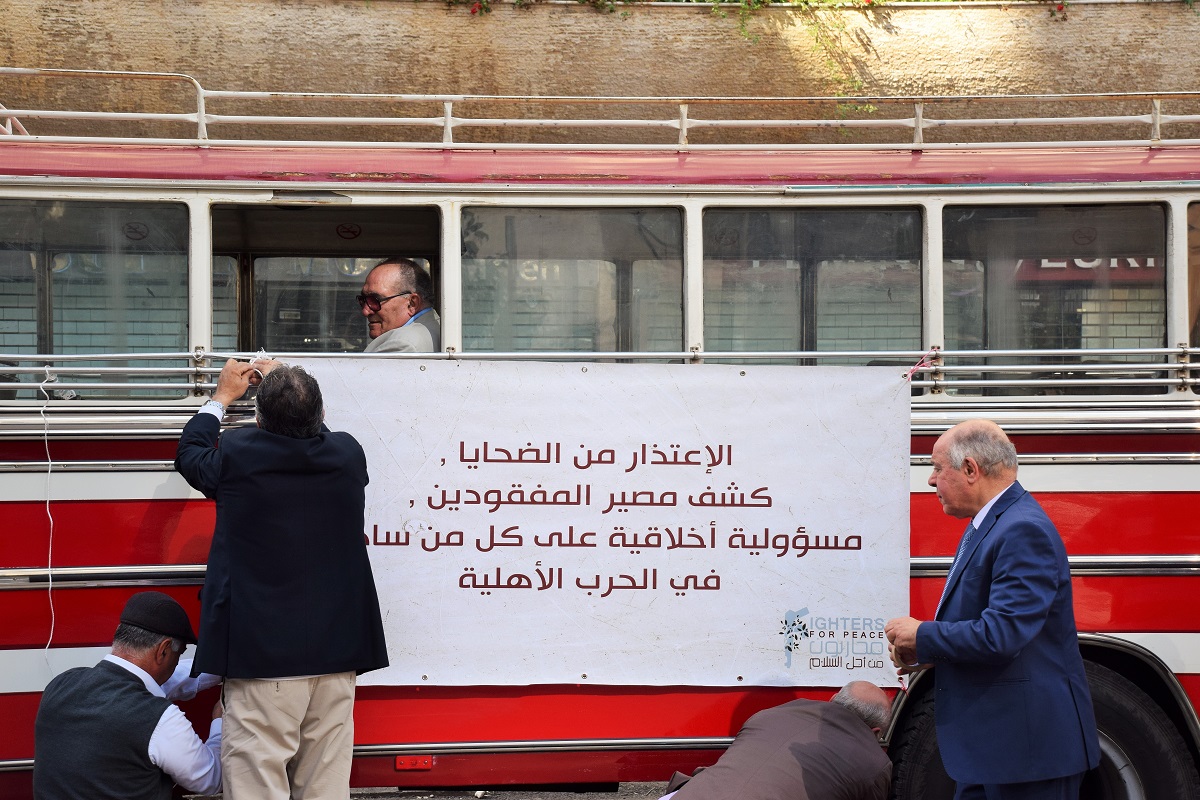
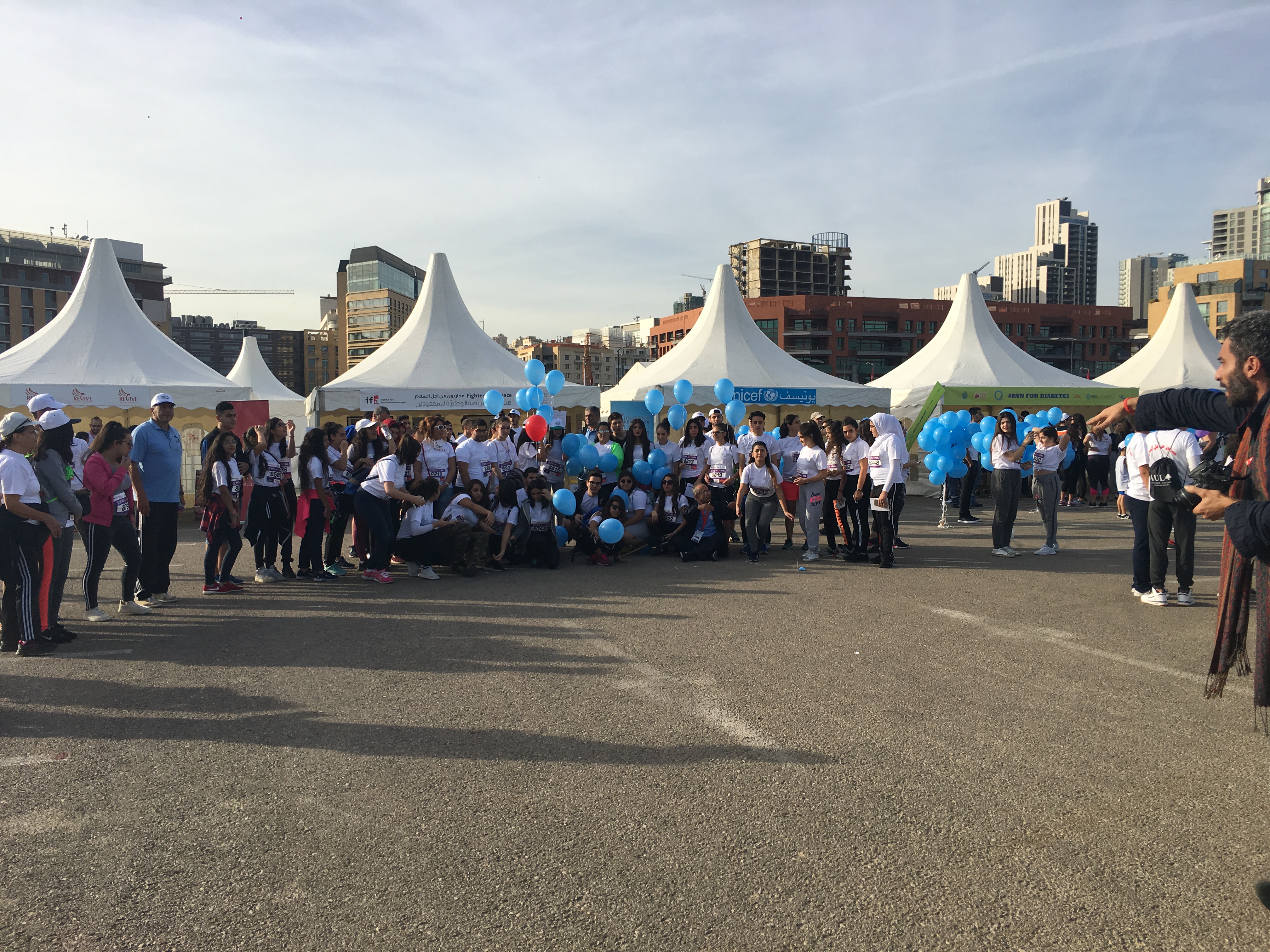
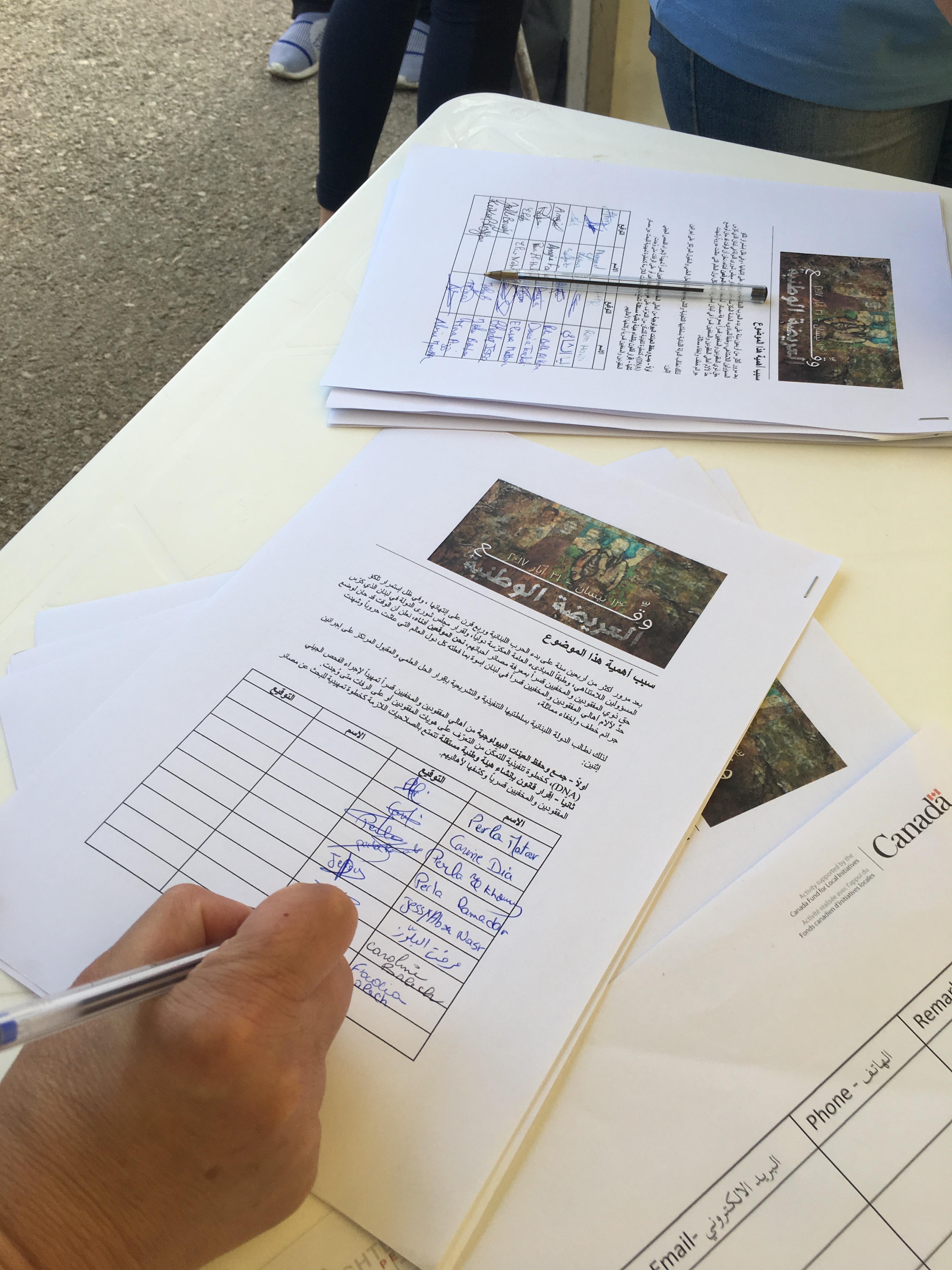
Since its inception, FFP has reached out to the victims of the civil war and the organizations that represent them: In 2014, the organization held a press conference in front of the ESCWA building where the Committee of the Families of the Kidnapped and Disappeared in Lebanon established a tent as a call for their ‘Right to Know’. In the press conference, FFP stated that the NGO is against the general amnesty law and strives to work for accountability and justice. During the Beirut Marathon, FFP helped collect signatures for the establishment of a National Commission of the Missing Persons. And individual ex-combatants of FFP have given significant information to the organization ‘Act for the Disappeared’ to help identify the whereabouts of the missing persons. FFP participated in many conferences alongside Lebanese NGOs that represent victims’ concerns and has used cultural tools such as theater plays to bring the issue of accountability and justice to the forefront of the public discourse.
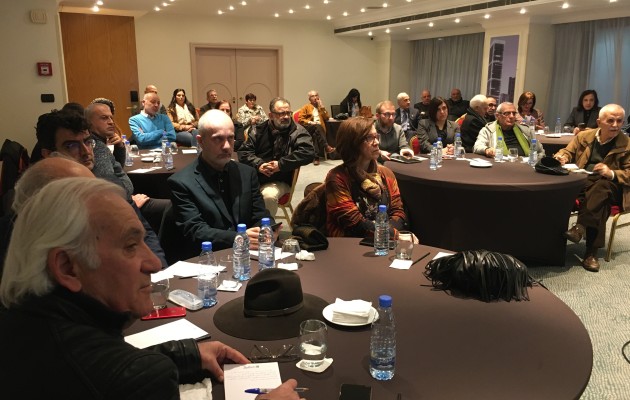
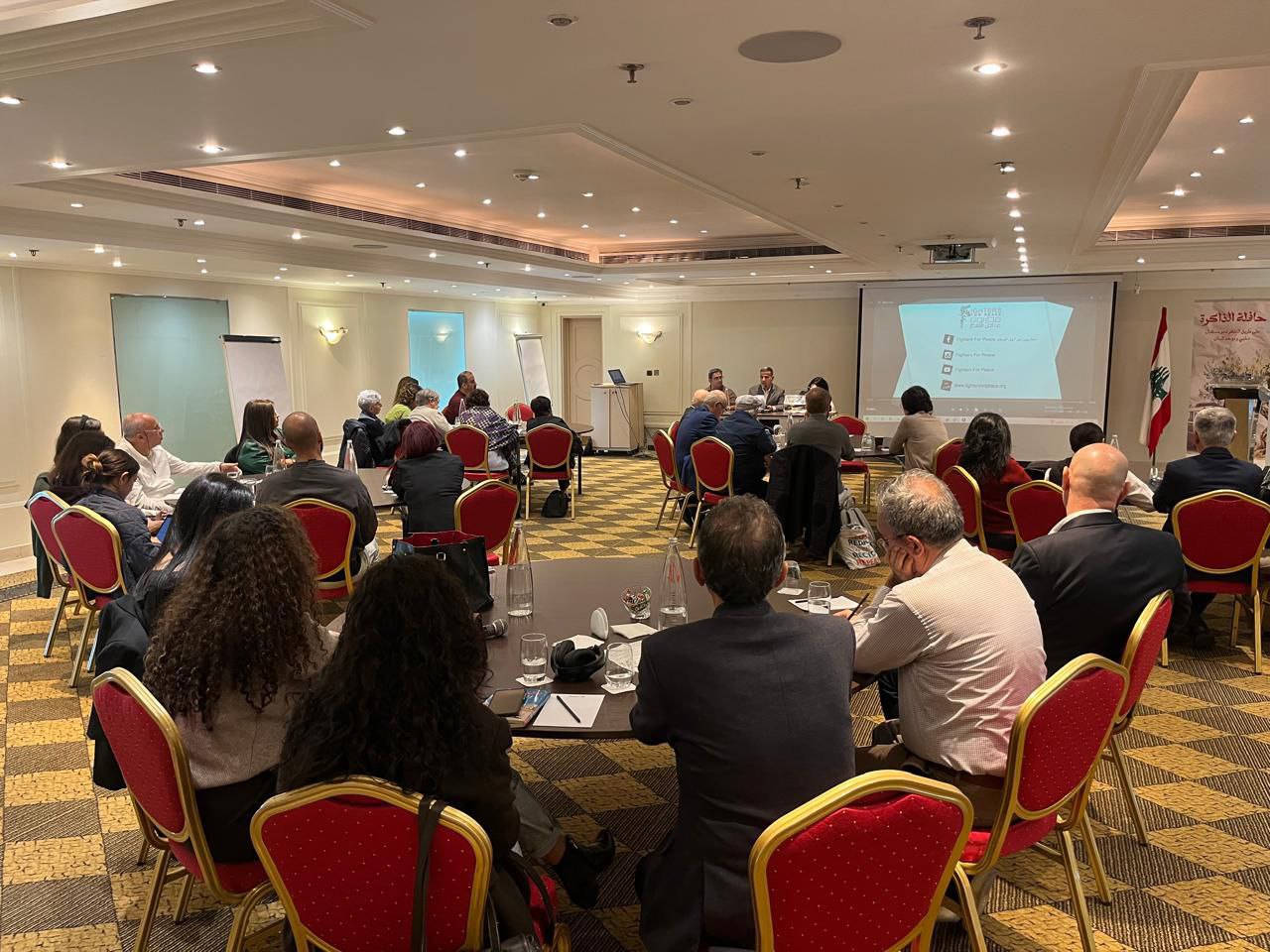
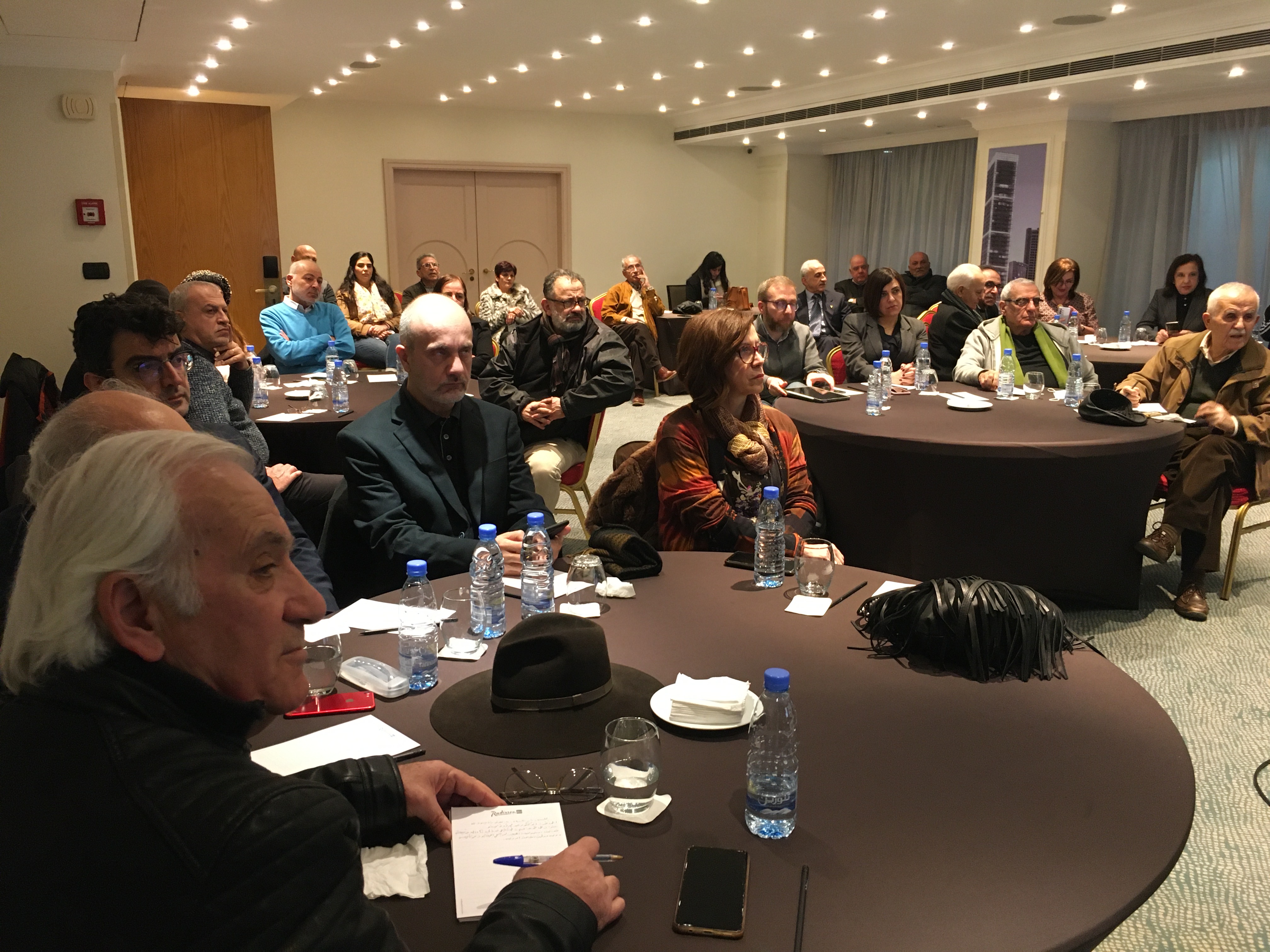
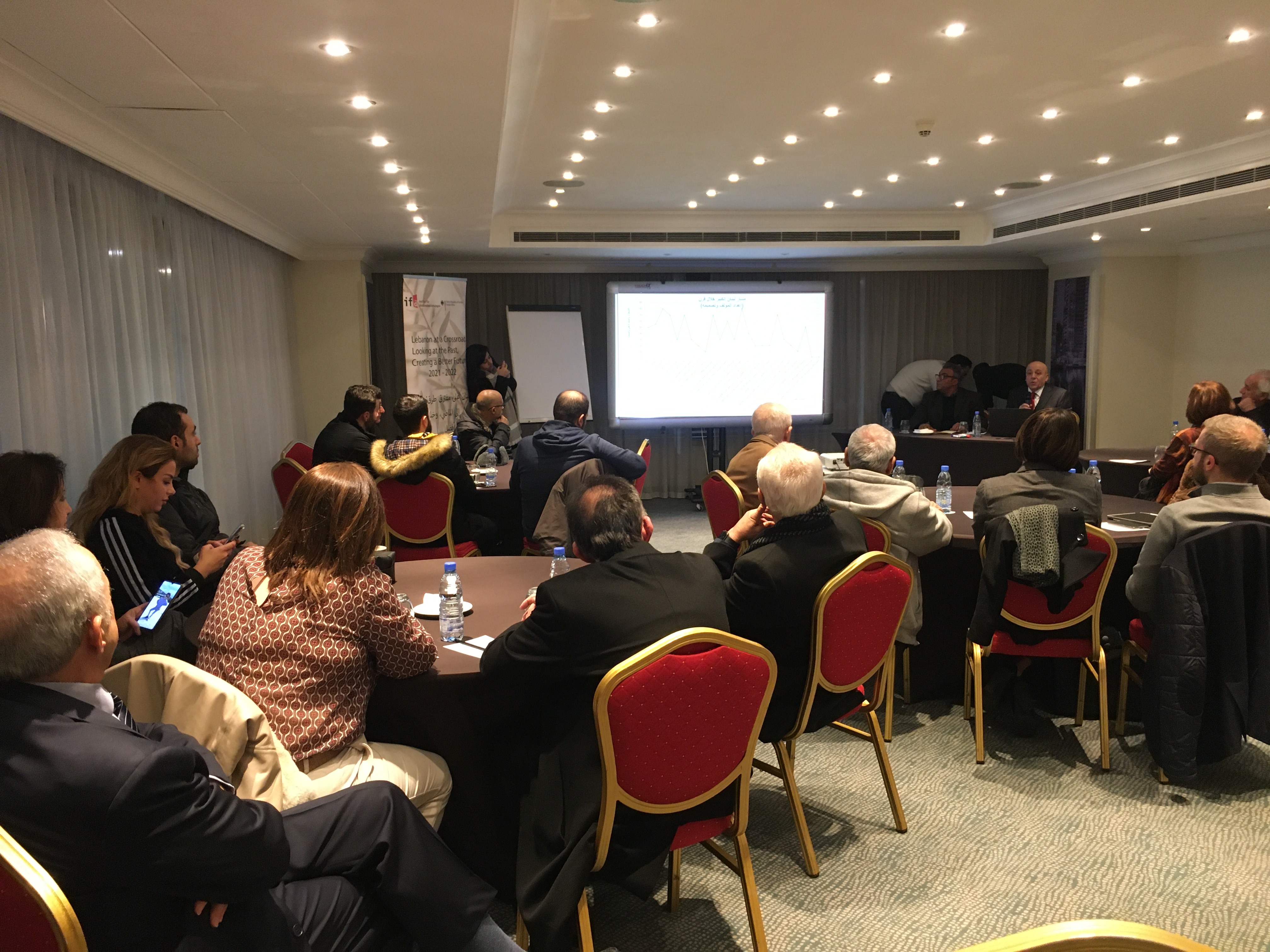
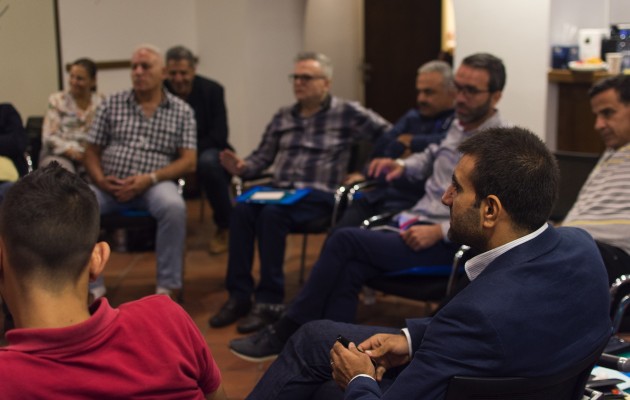
FFP’s ongoing work is reflected in a series of public discussions and roundtable events spanning several years about a New Social Contract, underscoring a commitment to promoting inclusive dialogue, strengthening long-term social cohesion, and advancing a shared vision for Lebanon’s future. The results of these discussions are summarized in a report, which can be found among the Manuals and Booklets in the Knowledge Hub.