
"Why did we carry arms? Why did we fight? Why did we turn our backs on war and violence? We share our testimonies, our stories, with you."
At Fighters for Peace, we believe that facing the past is essential—not to dwell on it, but to learn from it, heal from it, and transform it into a foundation for peace. These testimonies are the heart of our work. They are living proof that change and reconciliation is possible, that dialogue can replace violence, and that hope can emerge even from the most difficult experiences.
Through courage, self reflection, and dialogue, ex-fighters share their journeys from conflict to peace. Their stories offer insight into the human cost of war, the personal moments that led individuals to reject violence, and the pathways toward building a more just and peaceful society. The "Dealing with the Past" program brings together two complementary resources: the Testimonies of Change and the Oral History Archive. Together, they provide both personal and historical perspectives on Lebanon’s conflict, inviting visitors to understand, reflect, and learn.
Testimonies of Change share the journeys of ex-fighters who once carried arms and now devote their lives to peace. Through these videos, viewers witness deeply personal accounts of transformation, revealing the challenges, reflections, and turning points that guided each individual from violence toward dialogue. Newly recorded testimonies from recently engaged ex-fighters offer fresh insights into what it means to choose peace today.
Watching these stories, one encounters moments of courage, vulnerability, and hope, demonstrating that change remains possible even for those who once stood on opposing sides of conflict. The video slider on this page invites users to explore a range of narratives, each carrying its own message of resilience and reconciliation.
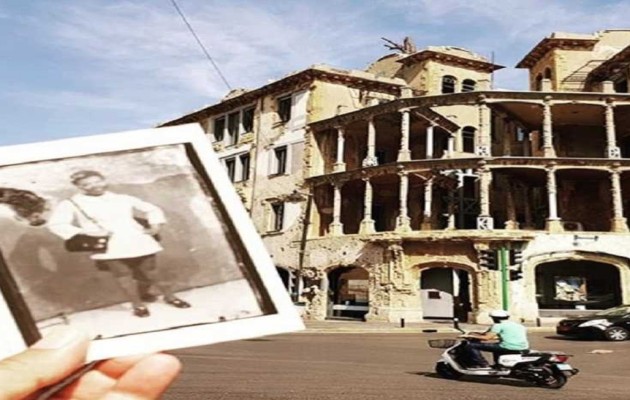
The Oral History collection preserves the lived experiences of ex-fighters, war victims, and affected communities, offering a window into Lebanon’s past through first-hand narratives. These stories reveal the human, social, and political impacts of conflict and invite reflection on its ongoing legacy. Since 2014, oral history has been one of FFP’s core tools for opening honest conversations about the Lebanese civil war and supporting healing processes for those affected. What began as a simple space to share interviews has grown into a living collection that continues to evolve as new testimonies are added.
The growing interest in these narratives has encouraged FFP to train students and young researchers in ethical and responsible oral history practices, ensuring that stories are shared with dignity and care. Today, the collection stands as both a valuable resource for understanding Lebanon’s recent conflicts through authentic voices and a commitment to preserving the country’s collective memory.
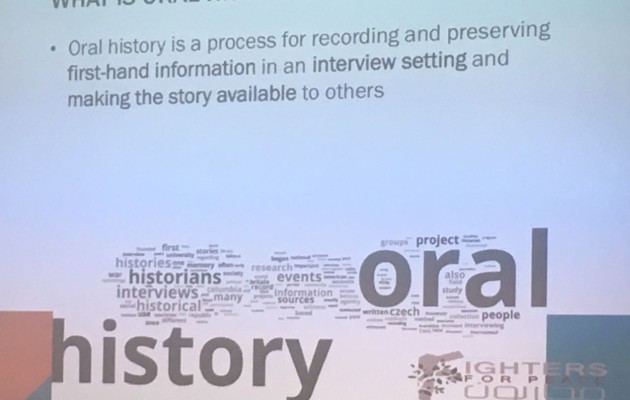
Sharing knowledge is a cornerstone of peacebuilding, and FFP actively supports students, researchers, and journalists in exploring Lebanon’s history safely. Through arranged interviews and guided sessions, ex-fighters provide access to their experiences for academic research, media projects, documentaries, and educational initiatives. This access not only helps researchers and students deepen their understanding of Lebanon’s conflict, but also encourages critical thinking, dialogue, and the development of peace-oriented initiatives. By connecting visitors to both the testimonies and the oral histories, FFP fosters an environment where learning and storytelling become tools for transformation. For those looking to explore further, FFP also provides connections to other NGOs and peacebuilding networks, ensuring that knowledge and resources are shared widely to support research, advocacy, and education.