Leaving a life shaped by violence is a long process of rebuilding identity, healing trauma, and returning to civil society. Fighters for Peace accompanies former combatants and former extremists throughout this journey, offering community, psychosocial support, and practical pathways to genuine reintegration.
Through biography work, emotional healing and balanced-masculinity training, the program helps individuals confront their past without fear or shame, rediscover their strengths, build new perspectives, allowing them to rebuild their lives with dignity. By empowering former fighters to become empathetic leaders and positive role models, the Reintegration Program strengthens individuals and communities and contributes to a more resilient, peaceful Lebanon.
Leaving a militia or an extremist group can often be the hardest step, as they provide material and support structures akin to familial networks to which individuals have been part for many years. FFP steps into the void and offers a new home to ex-combatants and former extremists who wish to leave behind militias or extremist groups. FFP staff can intervene in small and larger group settings as well as in one-to-one meetings to support the deradicalization processes. FFP’s assistance goes beyond disengagement, helping ‘formers’ develop new perspectives for their lives through capacity building that allows them to take on new leadership roles in society as change makers.
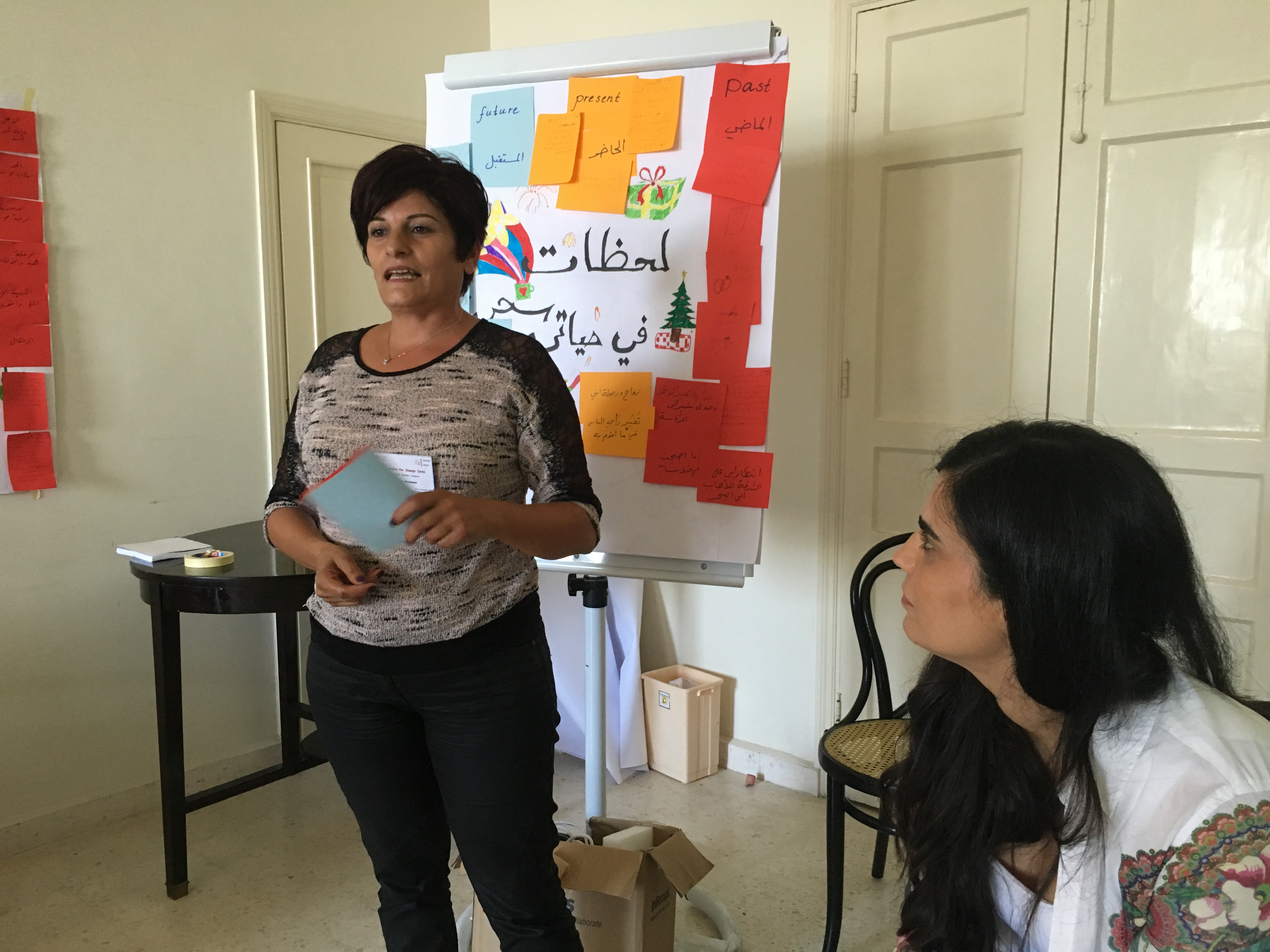
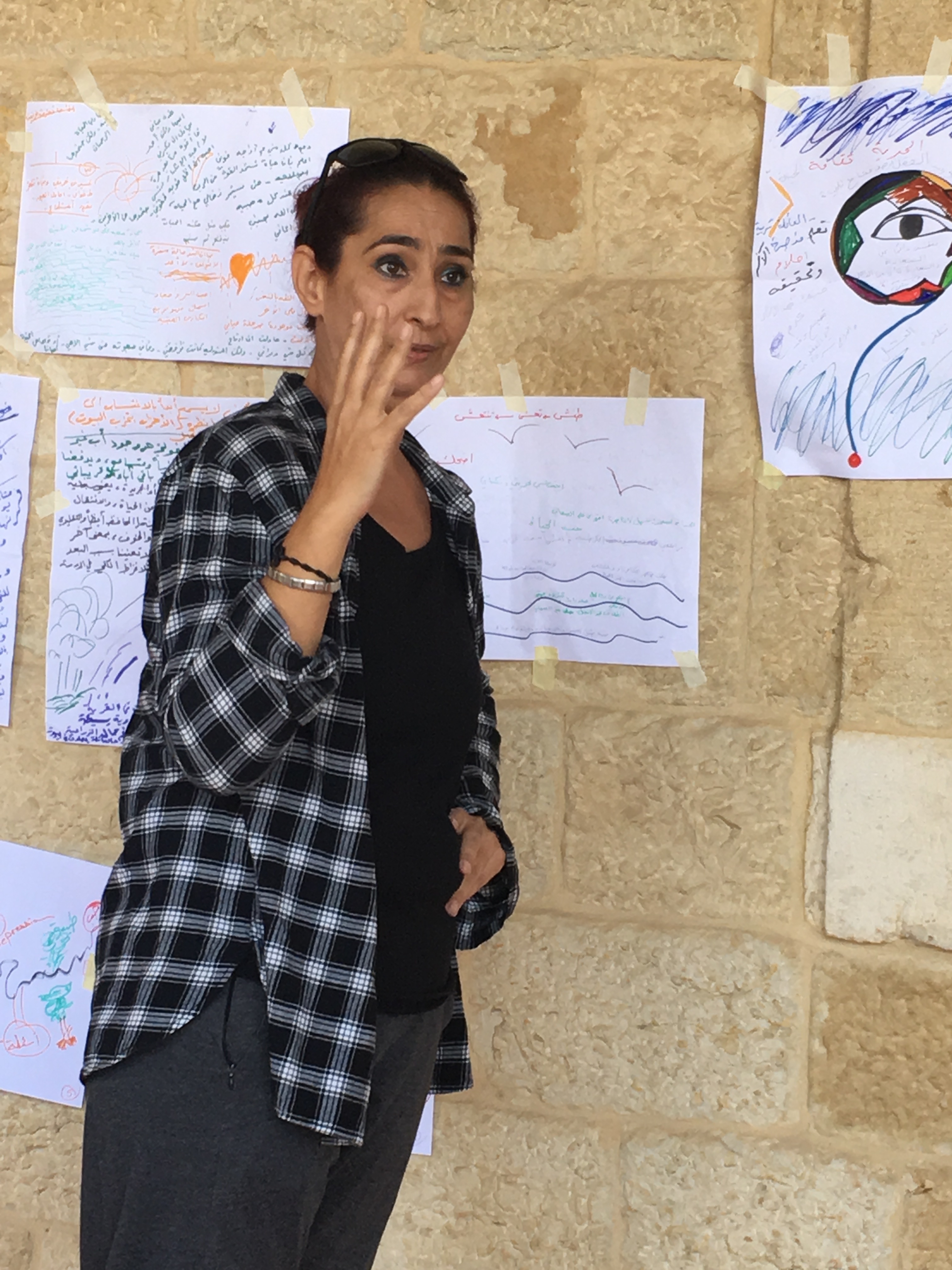
Biography work facilitates a safe reflective process of one’s life lines, possible traumas and grievances. The process connects the past with the present and helps develop future perspectives. Biography work builds on values and helps former combatants reflect their inner strengths and resources to identify their resilience strategies. It also helps in building new identity strands that allow them to successfully reintegrate into civil society and eventually become positive role models.
Biography work is conducted in a group setting. The participants share their stories and memories in a safe space without being judged. They can see similarities of each other’s life lines, and this enables them to create deeply rooted bonds. It also puts personal responsibilities and experiences into a broader socio-political context. The main tool for biography work is story-telling, which will eventually lead ex-combatants to engage with their past.
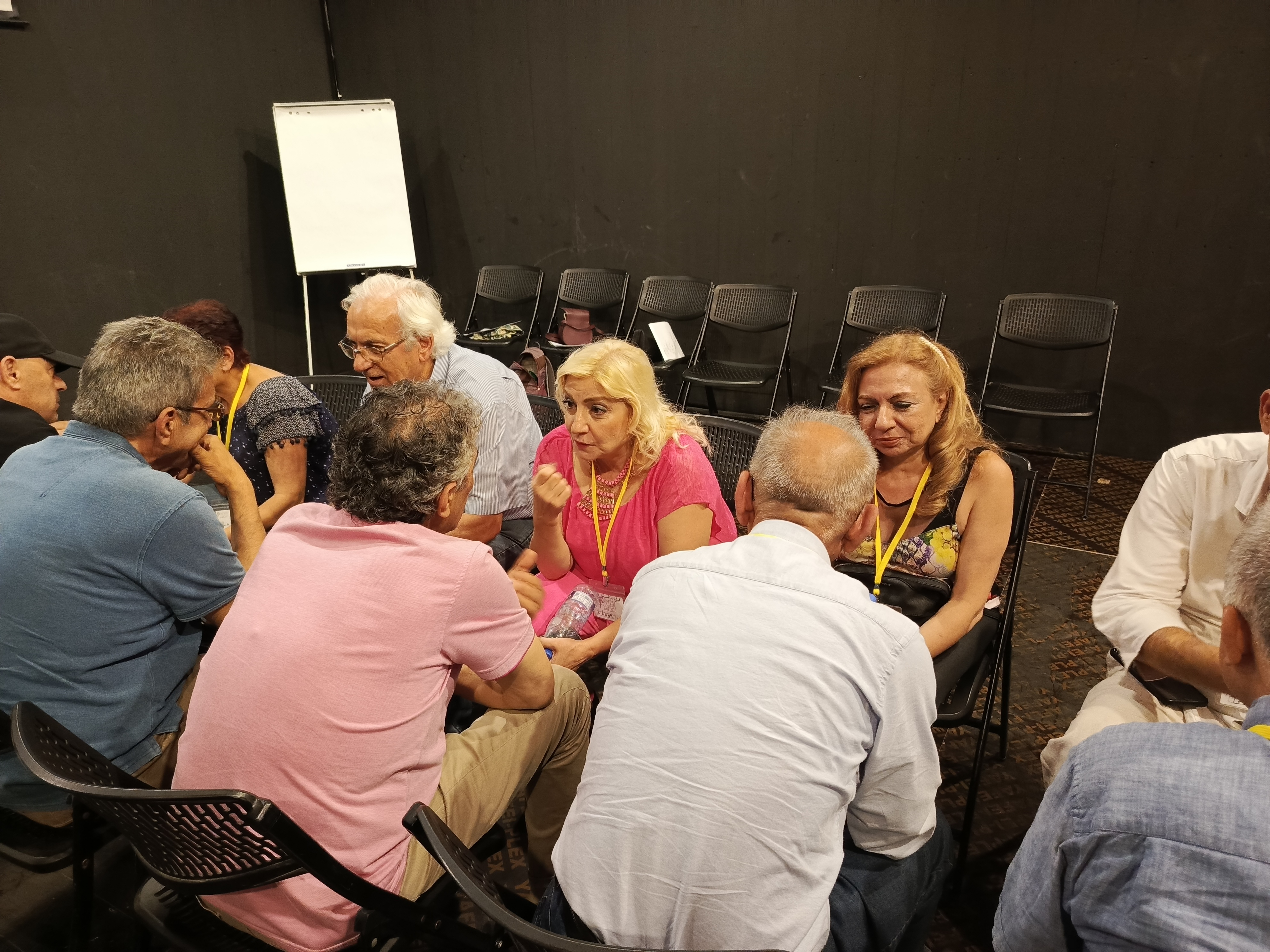
In Lebanon, as in many parts of the world, men have long been shaped by stereotypical ideals of masculinity that link manhood with dominance, control, and emotional restraint. This notion glorifies the hero archetype: a man who suppresses his pain, conquers adversity through force, and defends his honor at any cost. Although this image may appear empowering, it traps men in a cycle of repression and aggression. It deprives them of emotional depth, damages relationships, and justifies violence as an acceptable expression of masculinity.
Balanced masculinity offers a new and healthier model. It recognizes that true strength is not about power over others but about self awareness, empathy, and integrity. It teaches that courage includes the ability to feel, to listen, and to lead with compassion. When men embrace these qualities, they become whole human beings capable of cooperation, peace, and healing. Balanced masculinity is not only a personal goal but also a social necessity that creates the foundation for healthier relationships, stronger communities, and a more peaceful Lebanon.
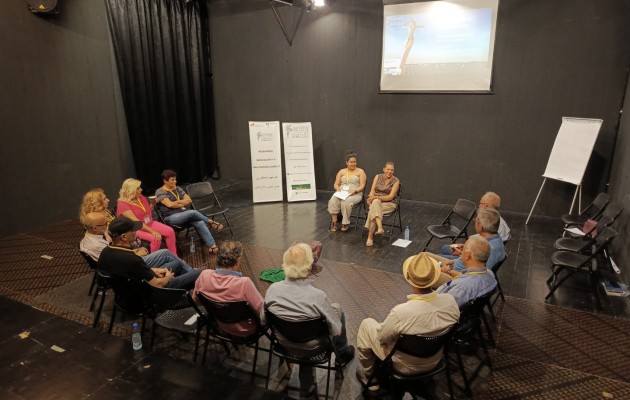
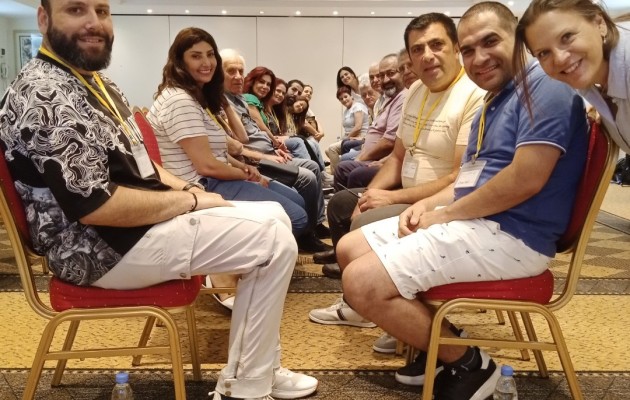
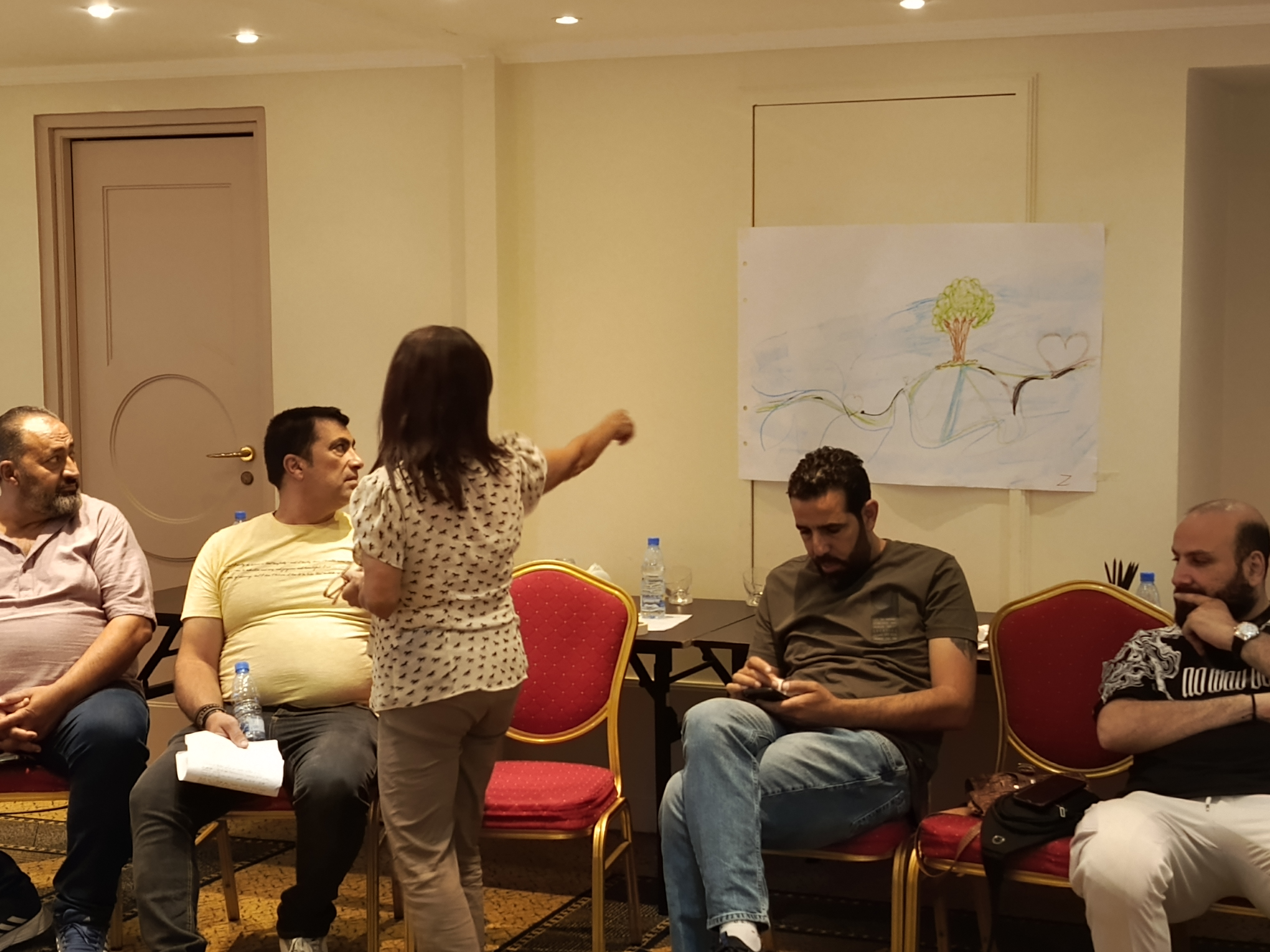
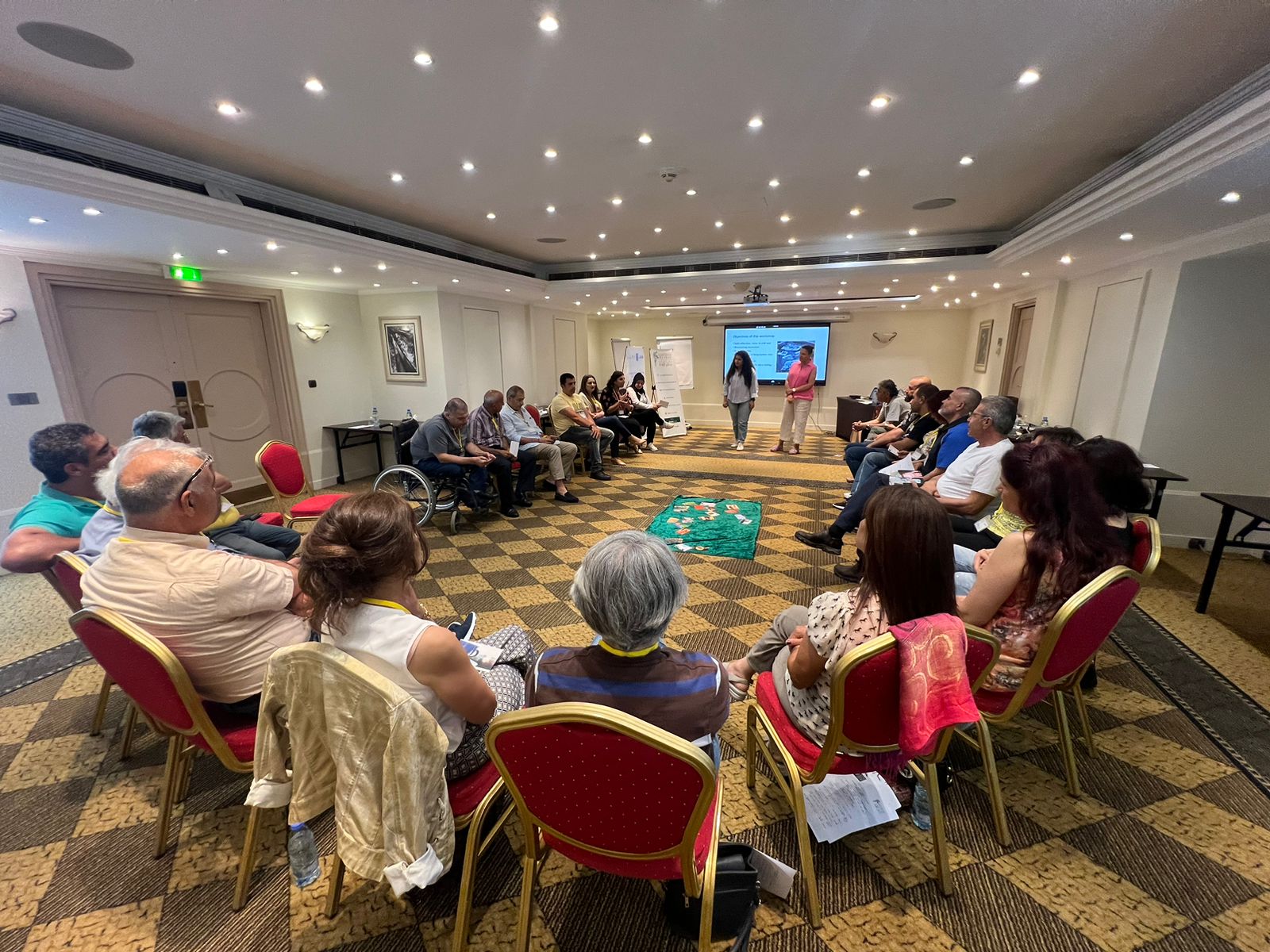
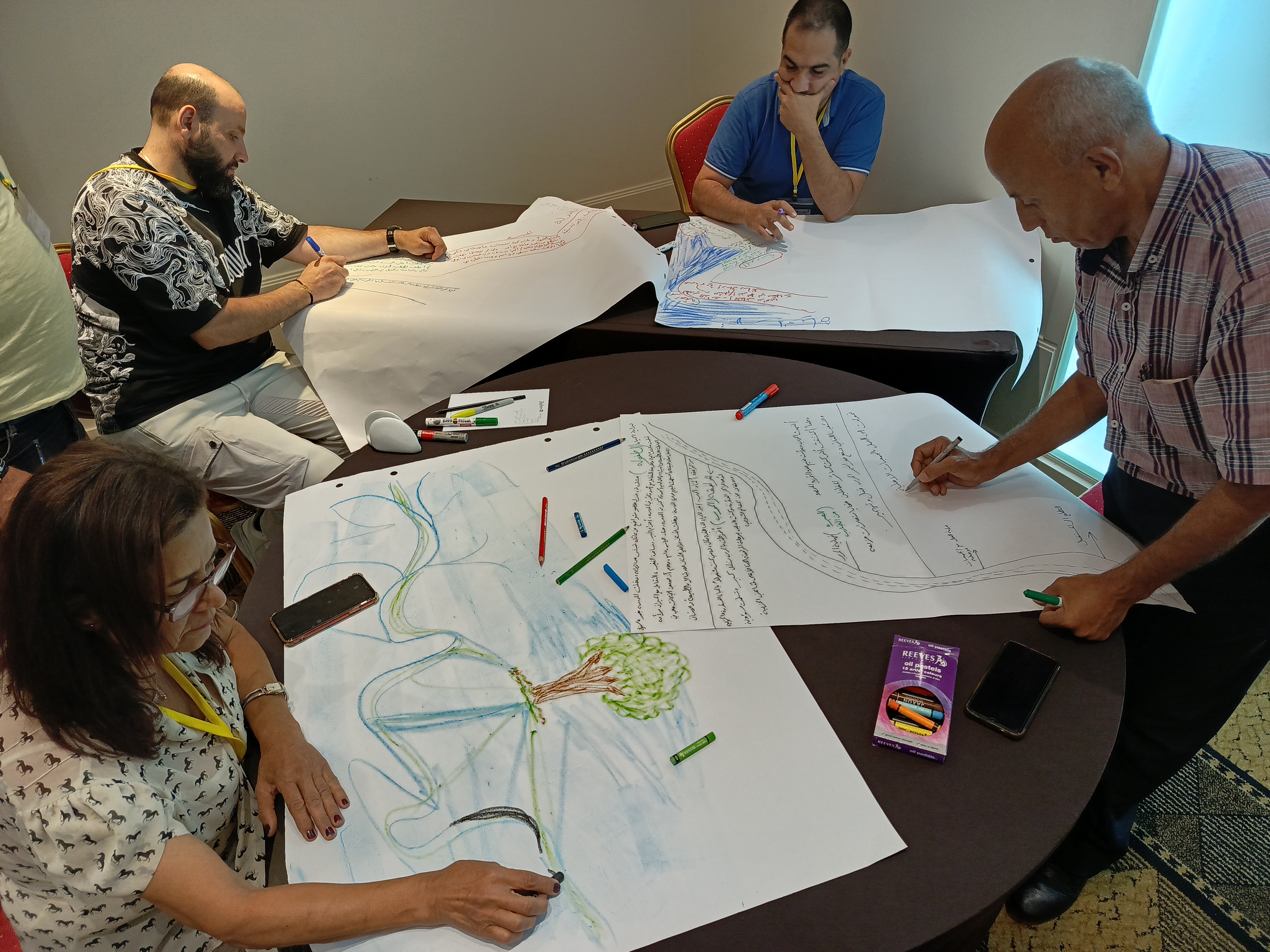
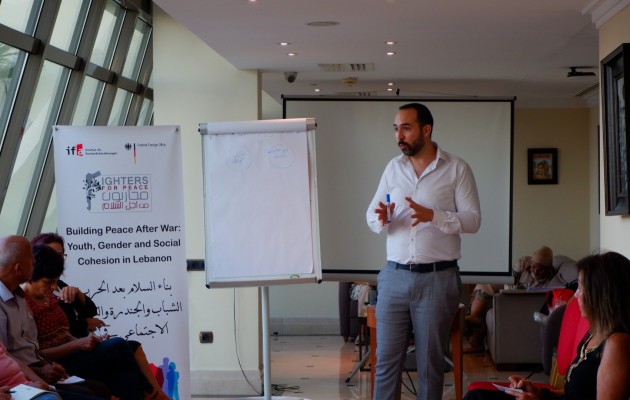
Over the last years, FFP’s ex-combatants have participated in a series of workshops and trainings about a Balanced Masculinity.
.JPG)
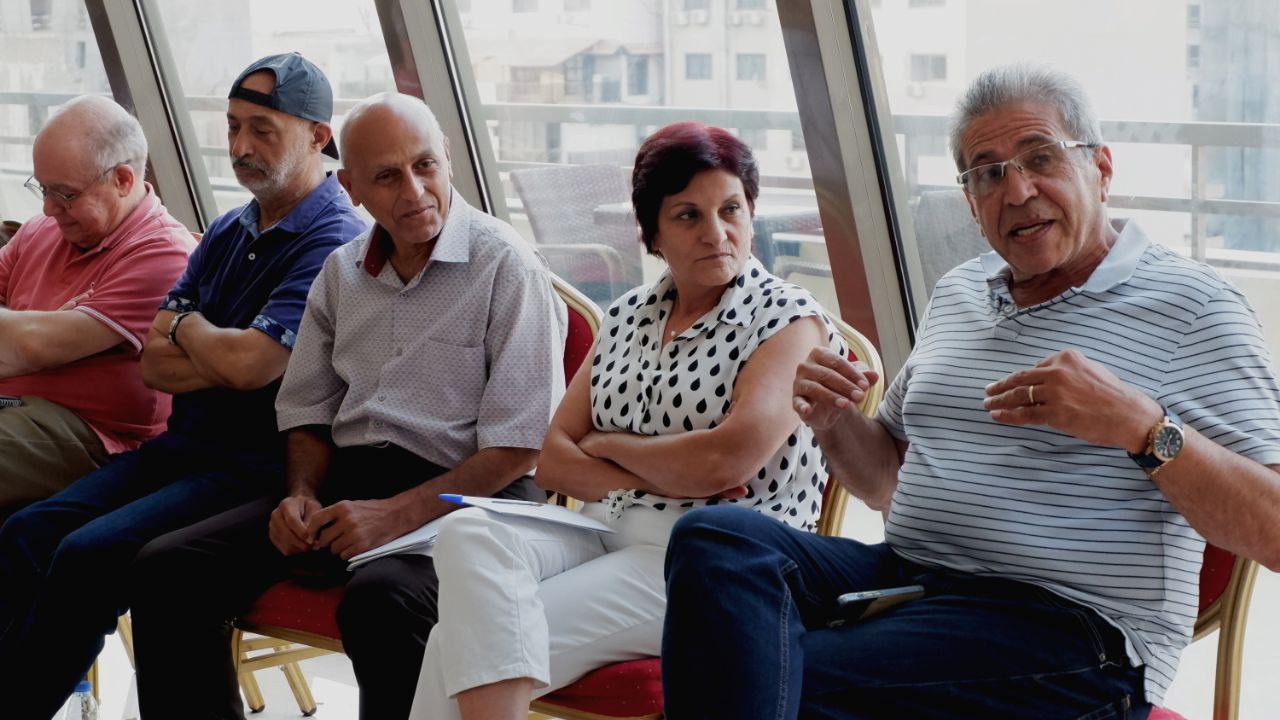
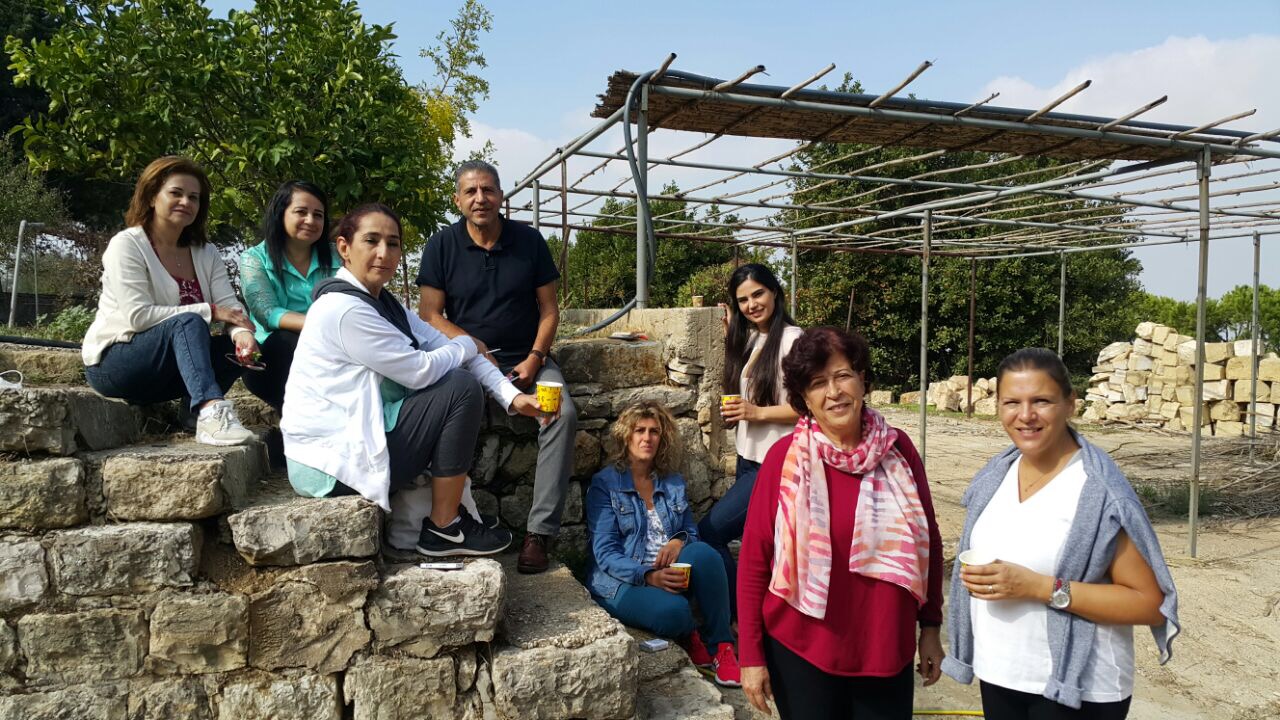
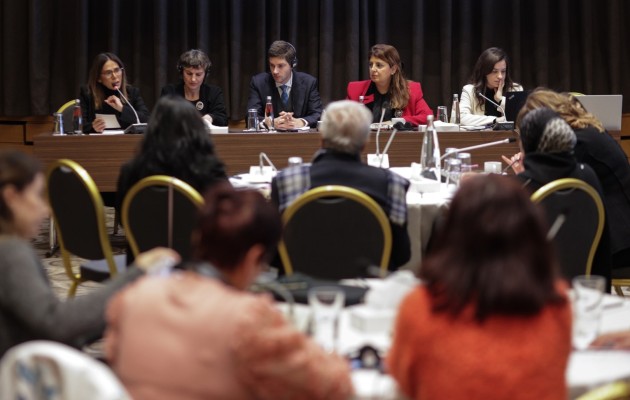
FFP's ex-combatants include a number of former women fighters. The organization addresses the multiple roles women can play in times of war and peace. When speaking about women and war, women are often seen either solely as victims or as peacemakers - just because of their gender. FFP recognizes that women can play active roles usually attributed to men: They can be supporters of war and serve as informants, weapons smugglers, military trainers and leaders of women brigades. For women, being active in war can mean that they reached a more equal status to men. In the post-war period, women are often pushed back to more traditional gender roles. At the same time, female ex-combatants suffer from a double stigmatization because female fighters don't correspond to the socially accepted gender norms. FFP supports former female combatants to deal with this stigmatization and enables them to become role models for peacebuilding, participating in mediation and dialogue (UNSCR 1325).
.jpg)
.JPG)